

West Champaran Administration Ramps Up Protection for Valmiki Tiger Reserve Amid Summer Threats
As summer intensifies, the West Champaran district administration has significantly escalated its efforts to shield the Valmiki Tiger Reserve (VTR) from the dual perils of forest fires and water scarcity. By integrating advanced satellite-based surveillance with robust on-ground initiatives, authorities aim to preserve the reserve's endangered wildlife and delicate ecosystem during the dry season.
Satellite Technology Enhances Fire Detection and Response
In a strategic move, forest officials have collaborated with the Forest Research Institute (FRI) in Dehradun to implement a cutting-edge satellite monitoring system. This technology delivers real-time alerts for forest fires, instantly transmitting precise GPS coordinates directly to officials' mobile devices. This rapid notification system enables immediate intervention, drastically reducing potential damage and safeguarding the habitat.
VTR Field Director Gaurav Ojha emphasized the heightened risk during the dry period, stating, "Forest fires pose a severe threat to our endangered species and the overall ecological balance. We are proactively engaging in controlled burning, intensifying patrols, and preparing fire lines to mitigate these risks." To bolster surveillance, 96 dedicated fire watchers have been stationed in drought-prone and sensitive areas of the reserve, ensuring continuous monitoring and early detection of any fire outbreaks.

Ground-Level Measures Fortify Fire Prevention
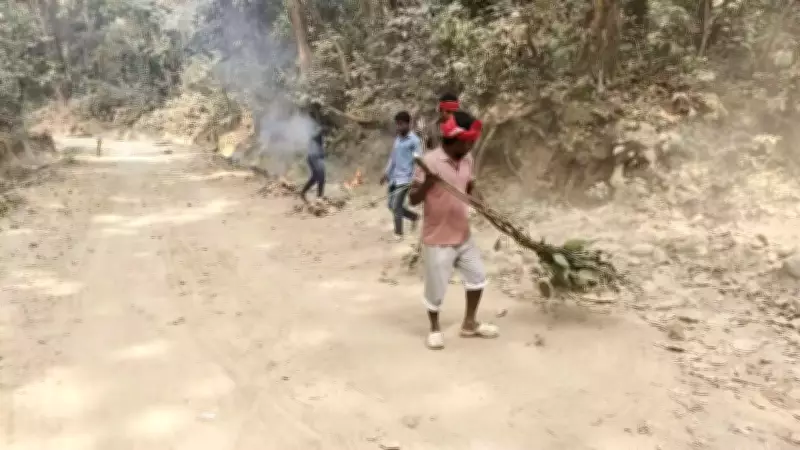
Complementing the technological advancements, extensive ground-level preparations are underway. Approximately 308 kilometers of fire lines have been cleared and restored to act as barriers, preventing flames from spreading between forest compartments. Additionally, forest staff are diligently removing dry leaves and other combustible materials from pathways, significantly lowering fire hazards and enhancing safety protocols.
Addressing Water Scarcity for Wildlife Survival
Beyond fire prevention, the administration is tackling the seasonal water crisis head-on. Large-scale water management efforts have been launched, with 154 water holes being recharged to ensure a reliable supply of drinking water for tigers and other wildlife during the peak summer months. This initiative is critical for maintaining the health and survival of the reserve's diverse fauna.
Community Engagement and Heightened Alertness
The strategy also emphasizes community involvement, with forest fringe villages being actively engaged through awareness campaigns. Residents are encouraged to report fire incidents promptly, fostering a collaborative approach to conservation. Ojha added, "Monitoring has been intensified across all five forest divisions of the reserve, and we are maintaining a high state of alert until the monsoon arrives in June." This comprehensive approach underscores the administration's commitment to protecting one of India's vital natural treasures through innovation and community partnership.






