US Submarine Torpedoes Iranian Frigate in Indian Ocean, Killing 87 Navy Personnel
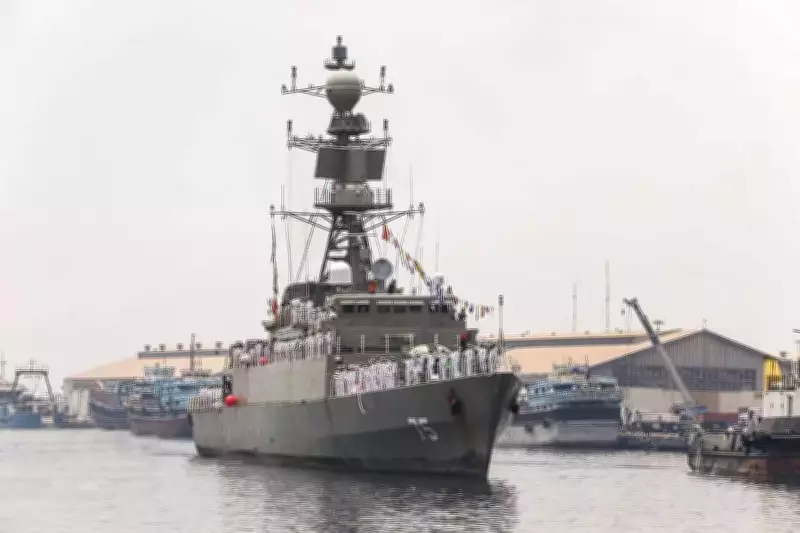
In a dramatic escalation of hostilities, a United States submarine launched a torpedo attack on an Iranian frigate in the Indian Ocean on Wednesday, resulting in the sinking of the vessel and the deaths of 87 Iranian Navy personnel. The incident occurred off the coast of Sri Lanka, with the Sri Lankan Navy mounting a rescue operation that saved 32 survivors from the stricken warship, identified as the IRIS Dena.
Details of the Attack and Rescue Mission
The Iranian frigate, carrying an estimated 180 crew members, was operating in international shipping lanes near Sri Lanka. It had recently participated in India's International Fleet Review and the subsequent MILAN naval exercise off Visakhapatnam, which concluded on February 25. According to the Pentagon, the US submarine engaged the Iranian warship after identifying it as a potential threat amidst rising tensions between the US and Iran in West Asia.
US Defence Secretary Pete Hegseth, during a press briefing in Washington, described the sunken frigate as the Islamic Republic's "prize ship" and revealed that this attack represents "the first sinking of an enemy ship by a torpedo since World War II." He emphasized the US commitment to victory, stating, "Like in that war, we are fighting to win." Pentagon officials confirmed the torpedo strike was precise, leading to the rapid incapacitation of the warship.

Sri Lanka's Foreign Minister Vijitha Herath informed Parliament that the navy received distress signals indicating the IRIS Dena was sinking. The island nation promptly dispatched ships and air force planes for a rescue mission. Navy spokesman Commander Buddhika Sampath reported that upon arrival at the location, rescue teams found no sign of the Iranian ship, only oil patches and life rafts with people floating in the water.
The 32 rescued individuals were admitted to a hospital in Galle, a seaside town on Sri Lanka's southern coast. The bodies of the 87 deceased are being transported to land. Both the Sri Lankan navy and air force have declined to release footage of the rescue operation, citing the involvement of another state's military.
Broader Context and Military Implications
Iran has not yet issued an official comment on the sinking. However, US Admiral Brad Cooper, who leads the American military's Central Command, noted that at least 17 Iranian naval vessels have been sunk during the ongoing Iran-US conflict. The Pentagon has stated that one of the primary objectives of the US-Israeli war against Iran, initiated last Saturday, is to eliminate the country's naval capabilities.
The US Navy operates approximately 50 nuclear-powered attack submarines across three classes: Los Angeles, Virginia, and Seawolf. These submarines are designed for stealth, with nuclear propulsion systems that make them extremely quiet, allowing them to tail enemy vessels undetected. It remains unclear which specific submarine fired the torpedo in this incident.
Typically, US submarines are armed with Mk48 heavyweight torpedoes, which carry 650 pounds of explosives. These torpedoes are engineered to detonate beneath a target's keel, effectively snapping the ship in two. This attack underscores the lethal precision of modern submarine warfare and marks a significant development in the escalating tensions between the US and Iran.
The fate of the remaining crew members from the IRIS Dena is still unknown, adding to the tragedy of this maritime confrontation. As rescue efforts continue and geopolitical ramifications unfold, this event highlights the volatile nature of international conflicts in strategic waterways like the Indian Ocean.