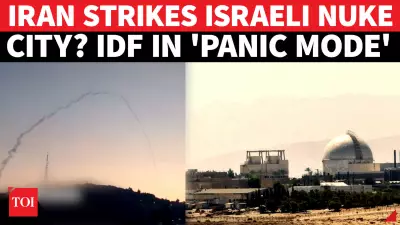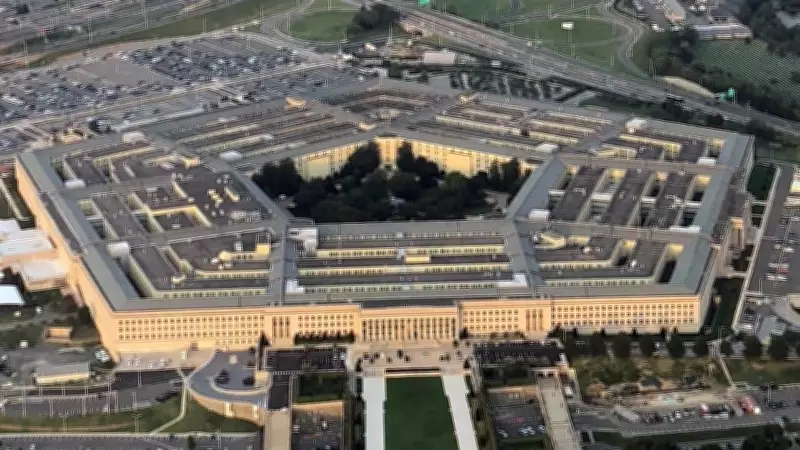
In a significant development reflecting heightened geopolitical strains, top-ranking generals from the United States and Israel engaged in a series of confidential meetings at the Pentagon. These covert discussions occurred against a backdrop of rapidly escalating tensions with Iran, which have prompted substantial military adjustments by Washington in the volatile Middle East region.
Secret Strategic Dialogue Amid Regional Unrest
The clandestine talks between American and Israeli defense officials underscore the deepening coordination between the two allied nations as they confront shared security challenges. While the precise agenda remains classified, the timing of these high-level consultations points to urgent strategic planning in response to Iran's perceived provocations and regional activities.
US Military Buildup in Response to Iranian Threats
Concurrent with these secret Pentagon meetings, the United States has dramatically increased its military footprint across the Middle East. The Pentagon has confirmed the deployment of additional naval assets to strategic waterways and the enhancement of air defense systems at key regional bases. This military reinforcement represents a tangible response to what US officials characterize as growing threats emanating from Tehran.

The decision to bolster American forces in the region follows a series of increasingly bellicose statements from former President Donald Trump, who has repeatedly issued warnings to Iran through various public channels. These verbal confrontations have contributed to an atmosphere of uncertainty and potential conflict that has alarmed regional allies and global observers alike.
Regional Implications and Security Calculations
The combined effect of covert US-Israeli military planning and visible American force augmentation sends a powerful signal to Tehran and other regional actors. Military analysts suggest these developments indicate preparation for multiple scenarios, ranging from deterrence operations to potential contingency responses should tensions escalate into open confrontation.
The Middle East has witnessed a steady deterioration in security conditions in recent months, with proxy conflicts, economic pressures, and diplomatic stalemates creating what many experts describe as a tinderbox situation. The secret Pentagon talks between US and Israeli commanders likely addressed coordination protocols, intelligence sharing mechanisms, and joint response strategies should the situation with Iran deteriorate further.
This military diplomacy occurs within a complex web of regional alliances and animosities, where every force movement and strategic discussion carries significant implications for the delicate balance of power. The increased US naval presence particularly affects critical maritime chokepoints through which substantial global energy supplies transit, adding economic dimensions to the already complex security calculus.
As of early February 2026, the situation remains fluid, with diplomatic channels operating in parallel to military preparations. The coming weeks will likely reveal whether these covert discussions and visible force deployments succeed in de-escalating tensions or instead contribute to further regional instability.