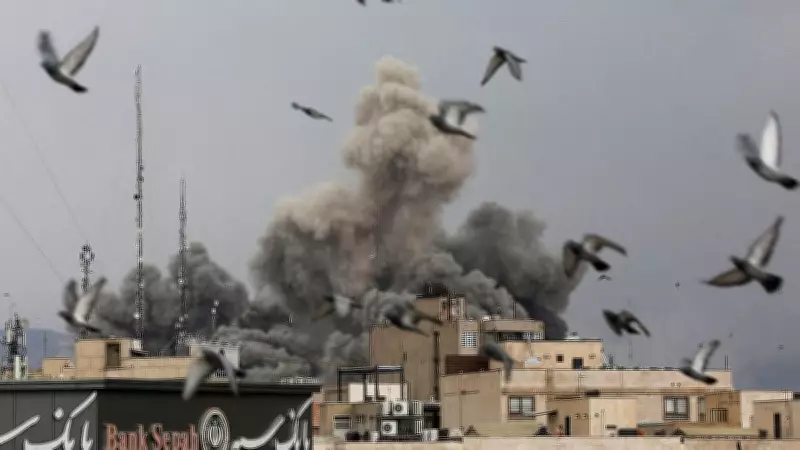
US Intelligence Reports: Iranian Government Faces No Imminent Collapse
Recent assessments from United States intelligence agencies have concluded that the government of Iran is not at risk of collapse, according to multiple reports. This evaluation comes at a time of significant political pressure within Iran, primarily driven by soaring oil costs that have strained the nation's economy and sparked public discontent. The intelligence findings suggest that despite these internal challenges, the Iranian regime remains stable and capable of maintaining control.
Political Pressure Builds Over Economic Strain
The political pressure in Iran has been intensifying as citizens grapple with the economic fallout from rising oil prices. This situation has led to widespread protests and calls for governmental reform, yet US intelligence analysts believe these movements do not pose a direct threat to the regime's survival. The reports highlight that while the Iranian government is under duress, it retains strong support from key military and security forces, which are crucial for its stability.
President Donald Trump has weighed in on the matter, suggesting that he will end the largest US military operation since 2003 "soon." This operation, which has been a significant point of contention in US-Iran relations, involves extensive military presence and activities in the region. Trump's comments have added a layer of complexity to the geopolitical landscape, as they signal a potential shift in US foreign policy that could impact the dynamics in the Middle East.

Implications for US-Iran Relations
The intelligence reports and Trump's statements have profound implications for the ongoing tensions between the United States and Iran. By asserting that the Iranian government is not at risk of collapse, US intelligence may be influencing policy decisions regarding diplomatic engagements and military strategies. This assessment could lead to a recalibration of US approaches, potentially focusing more on economic sanctions or diplomatic negotiations rather than regime change efforts.
The timing of these reports is critical, as they emerge amidst global concerns over energy markets and regional stability. The soaring oil costs have not only affected Iran but also have ripple effects worldwide, making this a pivotal moment for international relations. Analysts are closely monitoring how these developments will shape future interactions between the two nations.
Looking Ahead: What This Means for Global Politics
As the situation unfolds, several key points are worth noting:
- The stability of the Iranian government, as confirmed by US intelligence, suggests that internal pressures may not lead to immediate political upheaval.
- President Trump's indication of ending a major military operation could signal a de-escalation in US military involvement in the region, which might ease tensions with Iran.
- The economic challenges in Iran, driven by oil costs, continue to be a source of domestic unrest, but they are not seen as existential threats to the regime at this time.
In conclusion, while Iran faces significant political and economic hurdles, US intelligence assessments provide a nuanced view that the government is resilient. This perspective, combined with potential shifts in US military policy, sets the stage for evolving dynamics in the Middle East. Stakeholders around the world will be watching closely to see how these factors interplay in the coming months.