UK Deploys Nuclear-Powered Submarine HMS Anson to Arabian Sea Amid Rising US-Iran Tensions
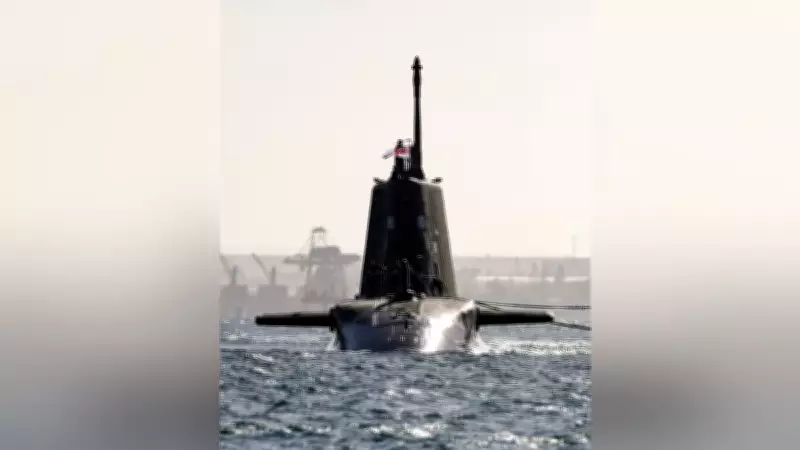
The United Kingdom has made a significant military move by deploying its nuclear-powered submarine, HMS Anson, to the Arabian Sea. This deployment comes at a time of heightened tensions between the United States and Iran, with the region already on edge due to ongoing geopolitical conflicts and security threats.
Strategic Deployment in a Volatile Region
The Arabian Sea is a critical maritime corridor, serving as a key route for global trade and energy supplies. The presence of HMS Anson, one of the UK's most advanced submarines, underscores the strategic importance of this area. According to military analysts, this deployment is likely aimed at monitoring regional activities and ensuring stability, particularly as US-Iran relations remain strained over issues such as nuclear negotiations and regional proxy conflicts.
HMS Anson is equipped with state-of-the-art technology, including nuclear propulsion that allows for extended underwater operations without the need for frequent refueling. This capability makes it a formidable asset for intelligence gathering and deterrence in the volatile waters of the Arabian Sea.

Background of US-Iran Tensions
Tensions between the US and Iran have been simmering for years, with recent escalations involving military posturing and diplomatic standoffs. The US has maintained a strong naval presence in the region, including in the Persian Gulf and the Arabian Sea, to counter perceived threats from Iran. Iran, on the other hand, has conducted military exercises and missile tests, raising concerns about its intentions and capabilities.
The deployment of HMS Anson adds a new dimension to this dynamic, as the UK aligns its military strategy with that of its ally, the US. This move is seen as a show of solidarity and a commitment to maintaining maritime security in the face of potential conflicts.
Implications for Regional Security
The arrival of a nuclear-powered submarine in the Arabian Sea has significant implications for regional security. Key points include:
- Enhanced Surveillance: HMS Anson's advanced sensors and stealth capabilities will improve monitoring of naval traffic and potential threats, contributing to early warning systems.
- Deterrence Effect: The presence of such a powerful vessel may deter aggressive actions by state and non-state actors, helping to prevent escalation.
- Diplomatic Signaling: This deployment sends a clear message to Iran and other regional players about the UK's readiness to support its allies and protect its interests.
However, experts warn that increased military activity could also heighten risks of miscalculation or accidental clashes, particularly in crowded maritime zones. The Arabian Sea is already a hotspot for piracy and smuggling, adding layers of complexity to security operations.
Global Reactions and Future Outlook
International reactions to the deployment have been mixed. Allies of the UK and US have expressed support for measures to ensure stability, while critics argue that such moves could inflame tensions further. Iran has not yet issued an official response, but past statements indicate a wary stance towards foreign military presence in the region.
Looking ahead, the situation remains fluid. The UK's deployment of HMS Anson is part of broader efforts to bolster security in the Middle East, with potential for further military engagements depending on how US-Iran relations evolve. Observers will be closely watching for any developments that could impact global energy markets and regional peace.
In summary, the UK's decision to send HMS Anson to the Arabian Sea marks a pivotal moment in the ongoing geopolitical chess game, highlighting the intricate balance between deterrence and diplomacy in a world fraught with uncertainty.