UAE Ministry of Interior Issues Critical Safety Alert on Shrapnel Hazards
The Ministry of Interior (MOI) in the United Arab Emirates has released an urgent safety advisory highlighting the severe dangers associated with handling shrapnel following accidents or explosions. In a statement issued on Tuesday, the ministry emphasized the critical need for the public to maintain a safe distance from such debris and avoid any physical contact to prevent injuries and potential fatalities.
Understanding the Risks of Shrapnel
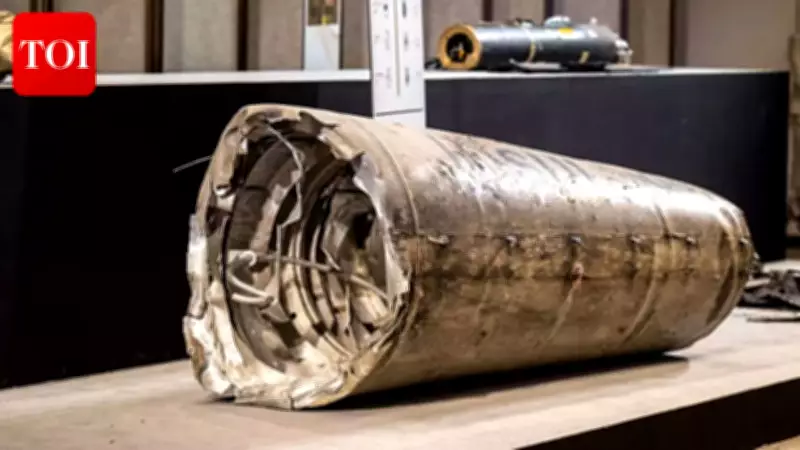
Shrapnel refers to the fragmented pieces of bombs, shells, or missiles that scatter after an explosion, specifically designed to inflict harm. These fragments are often irregular and sharp, capable of causing deep wounds or severe bleeding if touched or moved. The MOI noted that since shrapnel originates from attacking missiles or bombs, there is a significant risk that they may not have fully detonated and could explode if disturbed, posing an immediate threat to life.
Moreover, handling shrapnel can compromise official investigations by disturbing evidence, thereby complicating the recounting of attacks and hindering the work of specialized response teams. The ministry stressed that these fragments are part of official attacks and serve as crucial evidence in conflict analysis.

Health and Environmental Hazards
In the aftermath of recent attacks, shrapnel can become extremely hot due to friction or blast impact, leading to deep burns upon contact. Additionally, these fragments may contain hazardous chemicals or explosive compounds, such as fuel, oils, and heavy metals, which pose serious health risks and environmental contamination. The MOI warned that exposure to these substances can result in long-term health issues and ecological damage.
Official Guidelines for Dealing with Falling Debris
The UAE's National Emergency Crisis and Disasters Management Authority (NCEMA) recently posted an advisory on social media, outlining steps for citizens to take if they encounter falling debris. Key recommendations include:
- Immediately move away from the incident area and maintain a safe distance.
- Do not approach debris, as fragments may contain explosives or hazardous materials.
- Avoid taking photographs of the incident site or sharing images on social media.
- Refrain from gathering in the area to allow competent authorities easy access.
- Obtain information only from official sources and avoid spreading rumors.
- Ensure the safety of family members and work to reduce panic.
- Inform authorities by calling the emergency number 999.
Tragic Incident Highlights Urgency
This advisory follows a deadly incident where falling missile debris in a residential area resulted in the death of an Asian resident, underscoring the vital importance of heeding safety warnings. On February 28, NCEMA reiterated its guidance, urging the public to keep distance from shrapnel, avoid photography, and allow authorities to handle necessary procedures. The UAE Ministry of Defence had earlier announced that the country faced an attack involving Iranian missiles, with air defence systems successfully intercepting several projectiles, though some debris caused material damage and loss of life.
The MOI and NCEMA continue to emphasize that public adherence to these safety measures is essential for preventing further casualties and ensuring effective emergency response during such crises.