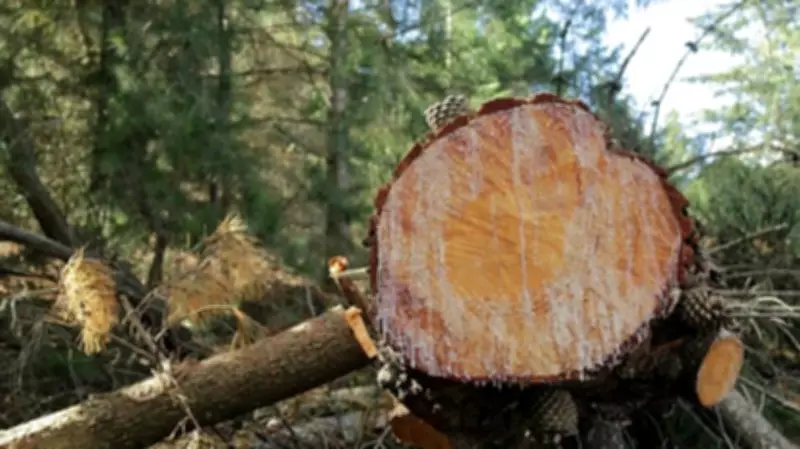
The recent tree-felling controversies in Karnataka have brought to the forefront a deep-seated flaw in the state's development priorities. As urban expansion and infrastructure projects accelerate, the indiscriminate removal of trees has sparked public outrage and legal battles. These incidents are not isolated; they reflect a systemic issue where short-term economic gains are prioritized over long-term environmental sustainability.
The Core of the Controversy
At the heart of the matter is the conflict between development and conservation. Karnataka, particularly its capital Bengaluru, has witnessed rapid urbanization, leading to the felling of thousands of trees for road widening, metro construction, and other projects. While infrastructure development is essential, the manner in which tree felling is executed often lacks transparency and adequate environmental impact assessments. Citizens and environmental groups have repeatedly raised concerns about the loss of green cover, which exacerbates air pollution, heat islands, and biodiversity loss.
Flawed Priorities in Action
The controversies expose a governance model that values concrete over canopies. For instance, in several instances, trees that were decades old were cut down without proper replanting plans or compensatory afforestation. The authorities often cite administrative convenience or project deadlines, but critics argue that such justifications ignore the ecological and social costs. The felling of trees in sensitive areas, including those along lakes and parks, has further intensified the debate.

Moreover, the decision-making process lacks inclusivity. Local communities and experts are rarely consulted, and environmental clearances are sometimes obtained post-facto. This approach not only violates legal norms but also erodes public trust. The Karnataka High Court has intervened in multiple cases, directing the government to adhere to tree protection rules and submit comprehensive plans.
Rethinking Development
These controversies compel Karnataka to rethink its development paradigm. Sustainable growth requires integrating ecological considerations into urban planning from the outset. Instead of viewing trees as obstacles, they should be seen as vital infrastructure that provides clean air, shade, and mental well-being. The government must prioritize tree conservation, adopt stricter penalties for illegal felling, and ensure mandatory replanting with native species.
Furthermore, the state should explore alternatives such as underground utility corridors, elevated roads, and green bridges to minimize tree loss. Public participation in decision-making, through mechanisms like tree protection committees, can foster accountability. The focus must shift from reactive damage control to proactive conservation.
In conclusion, the tree-felling controversies are a wake-up call. Karnataka has a choice: continue on a path of ecological degradation or embrace a model of development that respects nature. The latter is not just an environmental imperative but also a social and economic one, as green cities attract investment, enhance quality of life, and build climate resilience. The time to act is now.