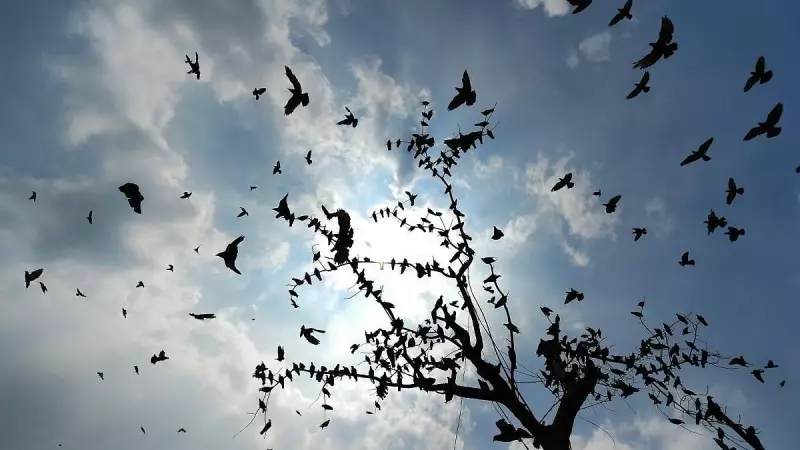
The state of Tamil Nadu is gearing up for a comprehensive ecological survey this week with the launch of its Synchronized Bird Census for the 2025–2026 period. This significant initiative aims to create a detailed inventory of avian populations across diverse habitats in the region.
Two-Pronged Approach for Complete Coverage
The census has been strategically designed in two distinct phases to ensure thorough data collection. The first phase will focus on the Wetland Bird Census, which will document species found in both inland and coastal wetland ecosystems. Following this, the Terrestrial Bird Census will be conducted to count birds inhabiting land-based environments such as forests, grasslands, and urban areas.
This structured, two-phase method allows experts and volunteers to concentrate their efforts on specific habitat types, leading to more accurate and reliable population estimates. The synchronization of the count across multiple locations is vital to prevent double-counting of migratory species that move between sites.

Timeline and Organizational Details
The announcement regarding the census schedule was made public on 25 December 2025. The information was reported by ETB Sivapriyan, highlighting the state forest and wildlife department's proactive planning. The launch of the census activities is imminent, with fieldwork expected to commence within the week following the announcement.
Such synchronized counts are not annual events but are planned over specific cycles, making the 2025–2026 census a key milestone for ornithologists and conservationists. The data gathered will serve as a critical benchmark against previous counts.
Significance for Conservation and Policy
The findings from this extensive bird census will have far-reaching implications. The data will provide invaluable insights into population trends, the health of various ecosystems, and the impact of climate change and human activity on avian biodiversity.
Authorities will use the results to identify threatened species, monitor the condition of vital wetlands, and formulate evidence-based conservation strategies. The census acts as an early warning system, indicating ecological shifts that might otherwise go unnoticed. For a state like Tamil Nadu, with its rich coastal and inland biodiversity, maintaining such scientific records is essential for sustainable environmental management.
In conclusion, the synchronized bird census represents a major collaborative effort in wildlife conservation. Its successful execution will yield a scientific baseline that will guide protection efforts for years to come, ensuring Tamil Nadu's natural heritage is preserved for future generations.