Taliban's New Penal Code Formalizes Abuse and Inequality in Afghanistan
The Taliban regime in Afghanistan has enacted a new penal code that codifies some of its most restrictive and oppressive practices, drawing severe criticism from human rights organizations worldwide. Signed by supreme leader Hibatullah Akhundzada, the 90-page criminal document explicitly permits husbands to physically discipline their wives and children, provided such actions do not result in "broken bones or open wounds." This legal framework raises profound concerns about the safety and rights of women and minors under Taliban rule.
Legalizing Domestic Violence and Systemic Inequality
Citing Islamic scripture, the penal code prescribes different penalties based on whether an offender is categorized as "free" or "a slave," thereby formalizing deep-seated inequality within Afghanistan's justice system. Alarmingly, the code fails to explicitly prohibit psychological or sexual violence against women, creating significant legal loopholes that leave victims vulnerable. Violators face a maximum penalty of only 15 days in prison, and this applies solely in cases involving what the code terms "obscene force," such as visible fractures or serious injuries.
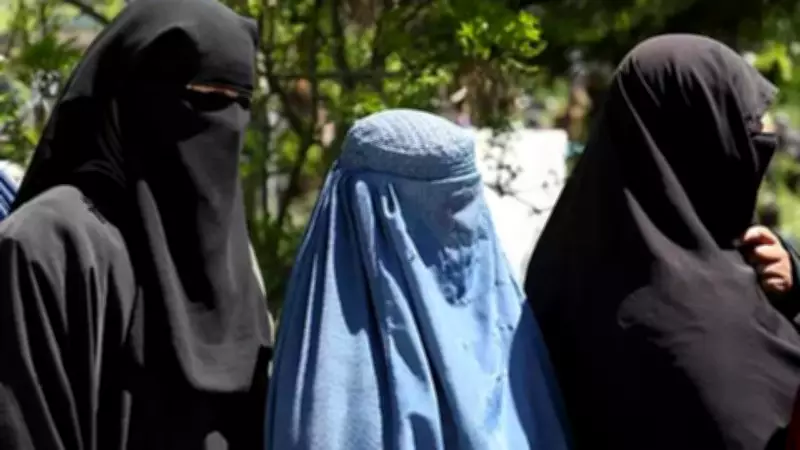
Even when abuse meets this threshold, obtaining a conviction is nearly impossible for women. The code requires a wife to prove her injuries in court by presenting them to a judge, a process severely hindered by Taliban restrictions. Women must remain fully covered in public and appear in court accompanied by a husband or male guardian, even if the alleged abuser is the husband himself. This creates a paradoxical and insurmountable barrier to justice for victims of domestic violence.

Further Restrictions and Erosion of Previous Protections
The regulations impose additional harsh measures, including allowing a married woman to be jailed for up to three months if she visits relatives without her husband's permission, even when seeking refuge from violence. This effectively treats wives as the "property" of their husbands and dismantles earlier legal safeguards. Notably, the code removes protections established under the Elimination of Violence Against Women (EVAW) law, introduced in 2009 during the former US-backed government, which criminalized practices like forced marriage, rape, and other forms of gender-based abuse.
Voices from the Ground and International Condemnation
A legal adviser in Kabul, speaking anonymously due to safety concerns, described the process for women seeking justice for assault as "extremely lengthy and difficult." She cited a recent case where a woman was beaten by a Taliban guard while visiting her imprisoned husband. When the woman filed a complaint, authorities insisted it would not be considered unless she appeared with a male chaperone—her husband, who was incarcerated. The woman argued that if she had been accompanied by a mahram (male guardian), the guard would not have assaulted her. She was quoted as crying out in public, "Death is better [than the process she is going through]," highlighting the despair faced by Afghan women.
Campaigners from the exiled human rights group Rawadari have warned that the new penal code legitimizes the "abuse, maltreatment, and punishment" of women and children, exposing them to "continued domestic violence." The group has urgently called for the "immediate halt of the implementation of the criminal procedure code" in Taliban courts, emphasizing the dire consequences for vulnerable populations.
This development underscores a significant regression in human rights in Afghanistan, with the Taliban's legal reforms institutionalizing discrimination and violence against women and children, sparking global outrage and calls for intervention.