

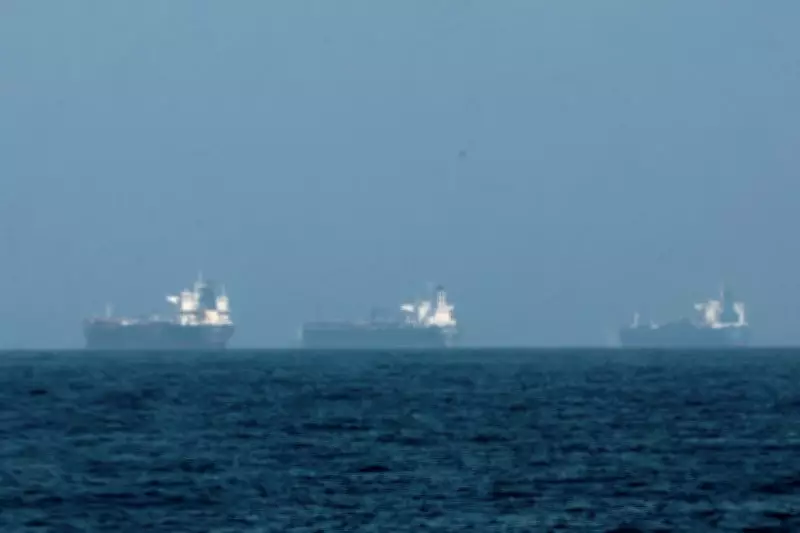
The Strait of Hormuz: A Narrow Passage That Powers the World
The Strait of Hormuz, a slender maritime corridor nestled between Iran and Oman, stands as one of the most pivotal chokepoints in global trade and energy security. This 21-mile-wide waterway serves as the primary gateway for oil and gas shipments from the Persian Gulf to international markets, making it an indispensable artery for the world's economy.
Geopolitical Significance and Strategic Importance
Strategically located at the mouth of the Persian Gulf, the Strait of Hormuz connects the oil-rich nations of the Middle East with the Arabian Sea and beyond. Its narrow confines, with shipping lanes just two miles wide in places, render it highly susceptible to geopolitical tensions and military conflicts. The passage is under the joint jurisdiction of Iran and Oman, but its global significance transcends national boundaries, drawing the attention of major powers worldwide.
Approximately 21% of the world's petroleum liquids and 30% of global liquefied natural gas (LNG) transit through this corridor daily. This translates to around 21 million barrels of oil per day, a volume that underscores its critical role in sustaining industrial activities, transportation networks, and energy consumption across continents.

Economic Impact and Global Dependencies
The economic ramifications of the Strait of Hormuz are profound. Countries in Asia, Europe, and North America rely heavily on the uninterrupted flow of hydrocarbons through this passage to fuel their economies. Any disruption, whether due to political strife, military blockades, or environmental hazards, can trigger significant volatility in global oil prices, leading to inflationary pressures and economic instability.
Key nations such as Saudi Arabia, Iraq, the United Arab Emirates, Kuwait, and Qatar depend almost exclusively on the strait for their oil and gas exports. This dependency creates a complex web of international relations, where diplomatic efforts and naval patrols by countries like the United States are deployed to ensure maritime security and freedom of navigation.Historical Context and Contemporary Challenges
Historically, the Strait of Hormuz has been a flashpoint in regional conflicts, including the Iran-Iraq War and tensions between Iran and Western powers. In recent years, incidents such as tanker seizures, drone attacks, and naval confrontations have highlighted its vulnerability. The ongoing geopolitical rivalries, particularly involving Iran, the United States, and their allies, add layers of complexity to the strait's management and security.
Environmental concerns also loom large, as the high volume of tanker traffic increases the risk of oil spills and ecological damage in the sensitive marine ecosystem of the Persian Gulf.
Future Outlook and Strategic Alternatives
Looking ahead, the strategic importance of the Strait of Hormuz is unlikely to diminish, given the world's continued reliance on fossil fuels. However, efforts are underway to diversify energy routes and reduce dependency on this chokepoint. Projects such as pipelines bypassing the strait and investments in renewable energy sources aim to mitigate risks, but these alternatives face economic and logistical hurdles.
- Enhanced naval cooperation and international agreements are crucial for maintaining stability.
- Technological advancements in shipping and surveillance may improve safety and efficiency.
- The transition to cleaner energy could gradually alter the strait's centrality in global trade.
In conclusion, the Strait of Hormuz remains a linchpin in the global energy landscape, its narrow passage embodying both the vulnerabilities and interdependencies of modern civilization. As geopolitical dynamics evolve, the world must navigate the delicate balance between securing this vital corridor and pursuing sustainable energy futures.






