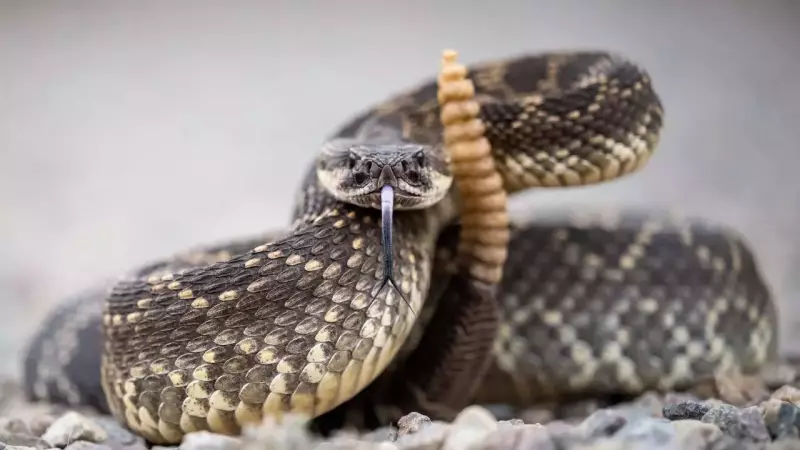
Spain, with its diverse landscapes of the Iberian Peninsula, is home to a fascinating array of wildlife, including a total of 11 different species of snakes. Contrary to common fears, the reality of human-snake encounters in the country is far less dramatic than often perceived. A closer look reveals that the vast majority of these reptiles are harmless and play a crucial role in the ecosystem, with fatal incidents being exceptionally uncommon.
The Three Venomous Vipers: A Minimal Threat
Out of the 11 snake species found across Spain, only three are classified as venomous vipers. These are the snub-nosed viper (Vipera latastei), Seoane’s viper (Vipera seoanei), and the asp viper (Vipera aspis). According to Antonio Martín Higuera, president of the environmental group Iberozoa, only these species present a potential threat to humans due to their venom.
However, Higuera is quick to contextualise the danger. These vipers are generally small, shy, and non-aggressive, preferring to retreat when detected. The venom is dangerous, but bites typically occur only when the snake is frightened or accidentally touched. Statistically, the risk is incredibly low. There are no more than a couple of recorded deaths per year in Spain from snake bites. In fact, as Higuera points out, humans in Spain face a greater danger from dog bites or wasp stings than from these vipers. With prompt medical attention, most bites are non-fatal, making information and caution the best defences.

Non-Venomous Snakes: The Ecosystem's Allies
The remaining eight species of Spanish snakes are completely non-venomous. These snakes can grow impressively large, sometimes reaching up to two metres in length, but they pose no harm to people. Far from being pests, they are protected species that provide an invaluable service.
Their primary diet consists of rodents and other small animals, making them a natural and crucial component of pest control within Spain's ecosystems. Like their venomous counterparts, these large snakes are defensive and will avoid human interaction whenever possible. It is illegal and ecologically harmful to kill or harm them, as they contribute significantly to maintaining a balanced environment.
Coexisting Safely with Spain's Serpentine Residents
Understanding snake behaviour is key to peaceful coexistence. Snakes are driven by instinct to find food and shelter, not to attack humans. Finding one in a garden or near a home is usually a temporary situation, much like an owl visiting to hunt mice. The Nature Protection Service advises that emergency services should only be called in case of a bite or if the snake is in a position of immediate threat. For simple sightings, observing from a distance is sufficient.
To minimise already low risks, follow these guidelines:
- Avoid contact and do not attempt to capture or harm any snake.
- Stay alert when walking through natural habitats like long grass or rocky areas.
- Educate children and community members on how to identify local snakes and understand their behaviour.
- If bitten by a venomous snake, seek immediate medical attention without delay.
The narrative surrounding snakes in Spain requires a fact-based perspective. Deaths are exceedingly rare, and these creatures are far more inclined to escape than confront. They are essential actors in conservation and biodiversity. Living alongside them safely is a simple matter of respect, caution, and dispelling myths with knowledge.