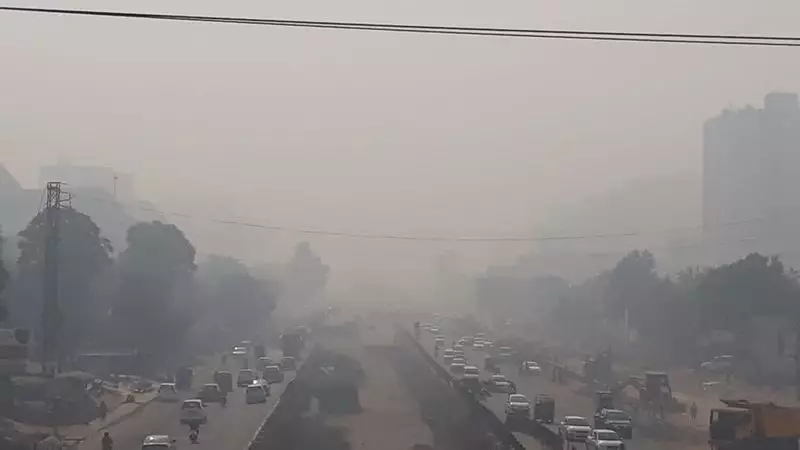
The district administration of Sirsa in Haryana has launched a decisive crackdown on industrial units operating in blatant violation of environmental norms. In a significant move to curb pollution, authorities have initiated stringent action against a total of 20 industrial establishments found flouting regulations.
Administration's Stern Action Against Violators
This enforcement drive was spearheaded by the Sirsa district administration, acting on critical directives from the Central Pollution Control Board (CPCB). The CPCB had identified and flagged numerous industries across the state for non-compliance with mandated environmental standards. Following these directives, a thorough inspection and verification process was undertaken in Sirsa, culminating in the identification of the 20 offending units.
The actions taken are not merely symbolic. The administration has moved to permanently disconnect the power and water supply to these industries. This drastic step underscores the seriousness with which the authorities are treating the issue of industrial pollution. The crackdown specifically targets units that have failed to install or operate requisite pollution control systems, thereby releasing untreated effluents and emissions into the environment.

State-Wide Directive and Local Implementation
The backdrop of this local action is a larger state-wide campaign. The CPCB's communication to the Haryana government highlighted widespread non-compliance, pushing district administrations into action. In Sirsa, the task of physically verifying the status of the listed industries and ensuring compliance fell to the local administration. Their findings confirmed the persistent violations, leading to the immediate enforcement measures.
An official involved in the process stated that the disconnection of essential utilities is a necessary step to compel adherence to the law. The message is clear: industries must prioritize environmental safeguards to continue their operations. The administration has emphasized that these measures are part of a sustained effort to protect public health and the local ecosystem from the detrimental effects of unchecked industrial waste.
Implications and the Road Ahead for Industries
The consequences for the 20 units are severe, bringing their commercial activities to an abrupt halt. This action serves as a stark warning to all industrial operators in the region. It establishes a precedent that regulatory frameworks will be enforced rigorously, and violations will incur tangible, operational penalties.
For the affected industries, the path to resuming operations is now contingent upon demonstrating full compliance with all environmental regulations. This includes installing approved effluent treatment plants (ETPs), air pollution control devices, and securing necessary clearances from the pollution control board. The administration's move is expected to trigger a wave of self-audits and corrective actions among other industries seeking to avoid similar fate.
This crackdown in Sirsa aligns with growing public and governmental focus on environmental sustainability. It reflects a shift towards stricter enforcement of existing laws rather than merely formulating new policies. The success of this initiative could potentially serve as a model for other districts in Haryana and beyond, where industrial pollution remains a pressing challenge. The ultimate goal is to foster a model of industrial growth that is both economically productive and environmentally responsible.