Jamshedpur Forest Division Leverages Satellite Technology to Combat Multiple Blazes
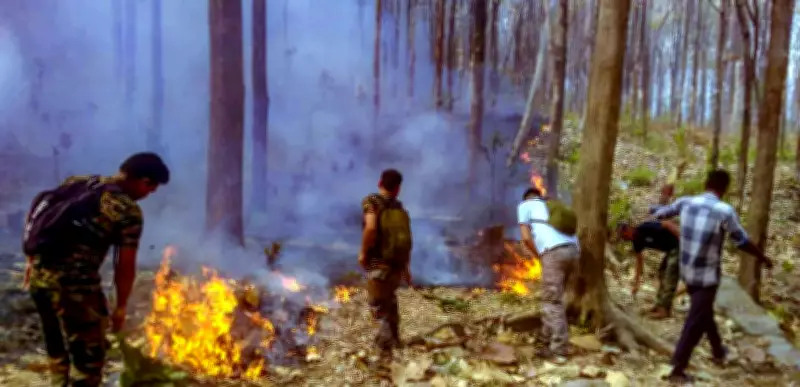
In a significant demonstration of modern firefighting techniques, the Jamshedpur forest division successfully controlled forest fires at five separate locations within a single day, officials confirmed. The rapid containment was made possible through the strategic use of satellite imagery and coordinated ground efforts.
Satellite Detection Enables Rapid Response
On March 3, forest fires were detected at five distinct sites within the Jamshedpur circle. The MODIS (Moderate Resolution Imaging Spectroradiometer) satellite mapping facility proved instrumental in identifying these active fires in real-time, according to Jamshedpur Divisional Forest Officer (DFO) Saba Alam Ansari.
"The satellite mapping facility was useful in identifying the active fires on a real-time basis," DFO Ansari stated. "As soon as satellite messages were received, separate forest teams were immediately deployed to patrol vulnerable sites for quick response."

Comprehensive Fire Control Infrastructure
The forest division has established a robust fire management system that combines technological innovation with conventional methods:
- Six specialized fire protection squads comprising over 50 personnel including beat officers, trained firefighters, fire-watchers, and forest guards
- Eight patrolling jeeps operating 24x7 surveillance in both Jamshedpur and Dalma forest divisions
- Advanced equipment including blower machines to disperse dry leaves that fuel fires
- Full protective gear for firefighters including helmets, gloves, and goggles for safe operations
Seasonal Challenges and Preventive Measures
DFO Ansari explained the particular vulnerability during dry seasons: "From February to April, trees shed leaves, creating significant fire risk, mostly due to human negligence. Hence, precautionary measures are essential to avert fire outbreaks."
The division has implemented strict visitor regulations, prohibiting smoking materials and matchboxes within forest areas to prevent fires caused by cigarette and bidi stubs.
Future Expansion and Community Involvement
Looking ahead, forest officials plan to enhance their monitoring capabilities by incorporating eco village committee (EVC) volunteers into the surveillance network. This community-based approach aims to ensure even more rapid response to emerging fire threats.
Historical Context of Forest Fires in the Region
The need for such comprehensive fire control measures is underscored by recent history. In 2025, approximately a dozen fire incidents were reported in Dalma forest alone. The previous year saw a similar number of fires across both Dalma and Seraikela forest divisions, highlighting the persistent nature of this environmental challenge.
While conventional fire control methods remain in use, the integration of satellite technology represents a significant advancement in the region's forest management capabilities. This multi-pronged approach combining technology, personnel, equipment, and community involvement demonstrates a modern strategy for protecting valuable forest resources against increasing fire threats.