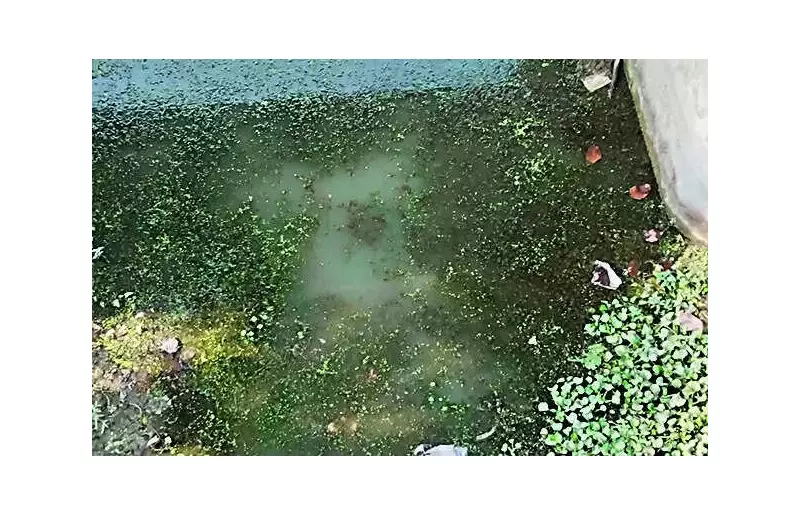
The sacred Bansi river, once celebrated in local lore as 'Sau Kashi, ek Bansi' (one Bansi equals a hundred Varanasi), is now fighting for its survival. Flowing along the Bihar-Uttar Pradesh border in the Madhubani block of West Champaran district, this tributary of the Gandak river has been reduced to a heavily polluted and encroached drain. This alarming transformation comes despite thousands of devotees continuing to visit its Ramghat bank for holy baths during Kartik Purnima and the upcoming Magh Mauni Amavasya.
A River Steeped in Mythological History
According to deep-rooted religious belief, this river's significance dates back to the Treta Yuga. It is said that Lord Rama, accompanied by sage Vishwamitra, spent a night on its banks at Ramghat while returning to Ayodhya with Goddess Sita. The following morning, Lord Rama took a dip in the Bansi and worshipped Lord Shiva. A Shiva temple still stands at the site, and a local annual fair is believed to have been held since that legendary visit.
"The Bansi river holds immense spiritual and historical significance," says local resident Abhay Kant Tripathi. He notes that devotees from Bihar, Uttar Pradesh, and Nepal's terai regions flock here for the sacred bath. "But now it is completely covered with water hyacinth, algae, and mud," he laments.

Encroachment and Apathy Choke the Lifeline
The river's current state is a story of severe neglect. Retired teacher Ravindra Nath Shukla states that the ancient river has fallen into complete disrepair. Local social worker Manoj Sah provides a timeline of the decline, explaining that just two decades ago, the Bansi flowed freely. "Due to encroachment and administrative apathy, the river is now filled with silt, garbage, and water hyacinths, stopping the flow. The river water has become black," Sah reveals.
He further details that during the monsoon, only accumulated stagnant water is visible, which is what devotees now use for their ritual baths. Efforts for conservation have been sporadic and ineffective. A joint initiative by the Bihar and Uttar Pradesh administrations two years ago failed to yield substantial results. While the then District Magistrate of West Champaran, Dinesh Roy, beautified the riverbank and built stairs in July last year, the crucial task of cleaning the riverbed, especially at crowded ghats, was left undone.
Administrative Promises Ahead of Sacred Festival
With Magh Mauni Amavasya just days away, pressure is mounting on authorities to act. Madhubani Block Development Officer (BDO) Kundan Kumar has acknowledged the issue, stating that he has taken up the demand with senior officials and that actions will be taken before the sacred day.
However, the local community's patience is wearing thin. Manoj Sah issues a stern warning, "If the administration does not take this river's existence seriously, we will launch a movement." The call to restore the Bansi is no longer just about environmental conservation; it is a demand to preserve a living piece of spiritual heritage that connects the present to the age of the Ramayana.