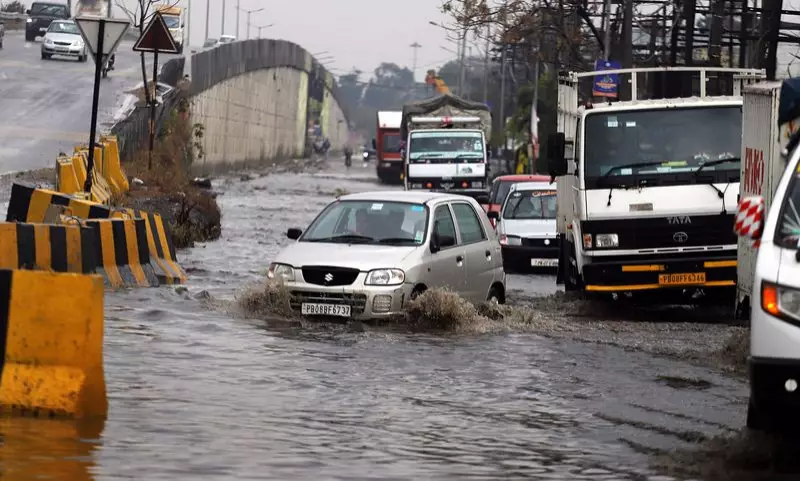
Punjab Receives Over Double Normal Rainfall, Haryana Deficit Turns Surplus Amid Cold Wave
In a significant meteorological development, the state of Punjab has experienced rainfall exceeding double its normal levels, while neighboring Haryana has witnessed a remarkable turnaround from a deficit to a surplus in precipitation. This weather anomaly coincides with a severe cold wave sweeping across the region, creating a complex climatic scenario that is affecting daily life and agricultural activities.
Rainfall Patterns in Punjab and Haryana
According to recent weather reports, Punjab has received an astonishing amount of rainfall, surpassing its typical seasonal average by more than 100%. This surge in precipitation has led to concerns about potential flooding and waterlogging in various districts, impacting both urban and rural areas. The heavy rains have disrupted normal routines and posed challenges for farmers who are navigating the unexpected wet conditions during this period.
In contrast, Haryana, which was previously grappling with a rainfall deficit, has now recorded a surplus due to recent showers. This shift from scarcity to abundance marks a notable change in the state's weather dynamics, offering some relief to agricultural sectors that depend on adequate moisture for crop growth. However, the sudden increase in rainfall also brings its own set of issues, including soil erosion and drainage problems.

Impact of the Cold Wave
Simultaneously, a cold wave has enveloped the region, with temperatures dropping significantly below normal levels. This chilling effect has compounded the challenges posed by the heavy rainfall, as residents contend with both wet and cold conditions. The cold wave is expected to persist for several days, potentially exacerbating health risks such as respiratory illnesses and affecting vulnerable populations, including the elderly and children.
Meteorologists attribute this unusual weather pattern to a combination of factors, including atmospheric disturbances and seasonal transitions. The interplay between the excessive rainfall and the cold wave highlights the region's vulnerability to climatic extremes, underscoring the need for adaptive measures and preparedness.
Regional Implications and Future Outlook
The dual impact of heavy rainfall and cold temperatures has far-reaching consequences for Punjab and Haryana. Key areas affected include:
- Agriculture: Farmers face uncertainty with crops potentially damaged by waterlogging or frost, necessitating adjustments in farming practices.
- Infrastructure: Roads and transportation networks may suffer from water accumulation and cold-related wear, leading to disruptions in mobility.
- Public Health: The cold wave increases the risk of hypothermia and seasonal ailments, requiring heightened awareness and preventive actions.
- Water Resources: While the surplus rainfall could replenish groundwater and reservoirs, it also raises concerns about flooding and water management.
Looking ahead, weather forecasts suggest that the cold wave may gradually subside, but intermittent rainfall could continue in parts of the region. Authorities are advised to monitor the situation closely and implement contingency plans to mitigate adverse effects. Residents are encouraged to stay informed through official channels and take necessary precautions to safeguard their well-being during this period of climatic volatility.
This weather event serves as a reminder of the dynamic nature of India's climate, particularly in northern regions like Punjab and Haryana, where seasonal shifts can bring about rapid and impactful changes. As the situation evolves, continued observation and adaptive responses will be crucial in navigating the challenges posed by such extreme weather conditions.