

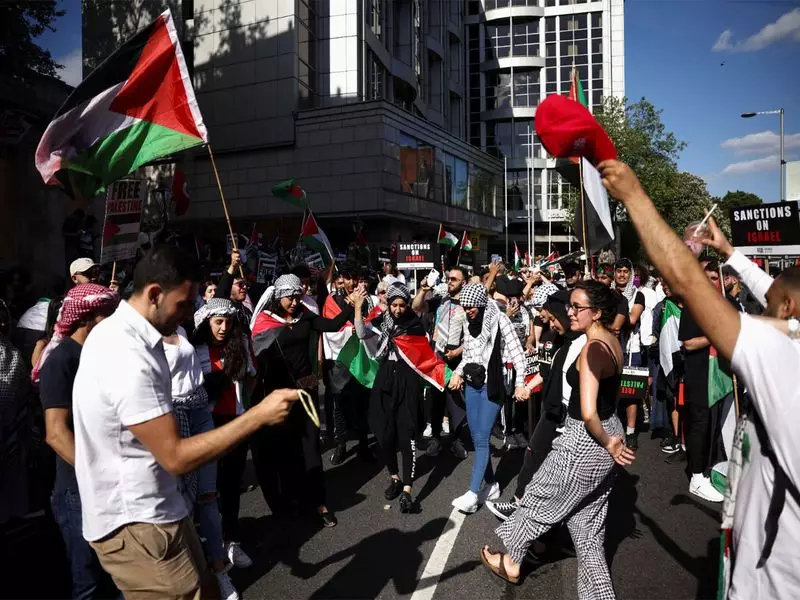
Pro-Palestine Activist Ends Hunger and Thirst Strike in UK Prison Amid Severe Health Crisis
A pro-Palestine activist incarcerated in a United Kingdom prison has terminated a prolonged hunger and thirst strike after developing severe health complications. The individual, whose identity has not been publicly disclosed in all reports, initiated the protest to draw attention to political or humanitarian causes related to Palestine, but the extreme measures led to a critical deterioration in their physical condition.
Health Deterioration Forces End to Protest
The activist's decision to end the strike came as medical professionals and prison authorities expressed grave concerns over their well-being. Reports indicate that the individual had refused both food and water for an extended period, resulting in symptoms such as extreme weakness, dehydration, and potential organ damage. This situation underscores the risks associated with such forms of protest in detention settings, where access to immediate medical care can be crucial.
Prison officials have confirmed that the activist is now receiving necessary medical treatment and is under close observation to stabilize their health. The incident has sparked discussions about the balance between an individual's right to protest and the duty of care owed by institutions to prevent life-threatening situations.

Broader Implications for Activism and Prison Conditions
This case highlights ongoing tensions surrounding activism related to the Palestine conflict in international contexts, including within prison systems. Hunger strikes have historically been used as a tool of non-violent resistance, but this event raises questions about their sustainability and the ethical responsibilities of authorities in responding to such actions.
Human rights organizations and advocacy groups may use this incident to call for improved conditions and protocols in UK prisons, particularly regarding the handling of detainees engaged in protests. The activist's plight could also amplify debates on freedom of expression and the treatment of political prisoners globally.
Key Points to Consider:- The activist's severe illness prompted the end of the hunger and thirst strike, emphasizing health risks.
- UK prison authorities are providing medical care, but the event may lead to scrutiny of prison policies.
- This incident reflects broader issues in pro-Palestine activism and detention rights worldwide.
As the situation develops, further updates on the activist's recovery and any institutional responses are anticipated, potentially influencing future activism and prison management strategies.






