Prayagraj: The declining groundwater level in Prayagraj has become a pressing concern. Over-extraction of groundwater in urban pockets is the primary reason behind the depleting water table. However, the state government is actively working to manage and resolve the issue through several measures, including rainwater harvesting, which helps recharge the groundwater table.
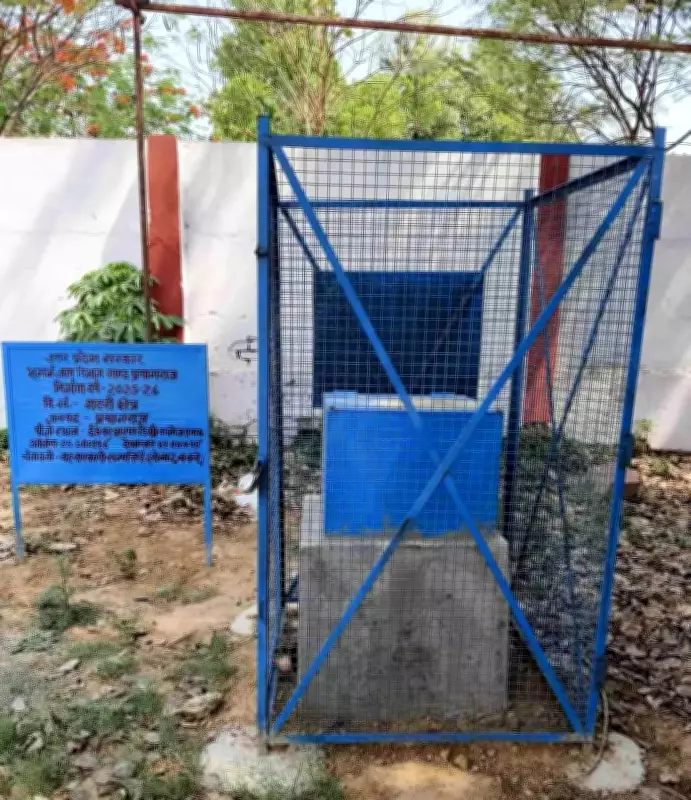
Groundwater levels are depleting due to continuous water extraction through large tube wells and small borewells. To replenish these levels, the groundwater department is installing rainwater harvesting systems, enabling the conservation of rainwater and its diversion into the ground. This initiative aims to mitigate the impact of excessive extraction and ensure sustainable water management.
Aviral Singh, a hydrologist with the UP Groundwater Department, stated that the government has set a target for the department to construct rainwater harvesting systems covering an area of 20,000 square meters in the Prayagraj division this year. Surveys to install these systems in government buildings have already commenced, marking a significant step toward addressing the water crisis.

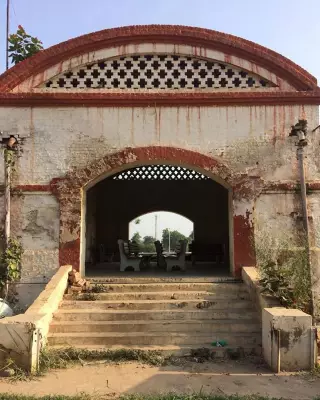
Rapid urbanization and unscientific water extraction in urban areas have caused a sharp decline in groundwater levels. Singh noted that for the 2024-25 period, the division was assigned a target to construct rainwater harvesting systems covering an area of 15,000 square meters—a goal that has been fully achieved. In the Prayagraj district, rooftop rainwater harvesting systems have been installed for the 2025-26 financial year at the Government ITI and Ishwar Sharan Degree College. These systems cover a roof area of approximately 4,500 square meters and have the potential to facilitate groundwater recharge of approximately 3,440 cubic meters (3,440,000 liters) annually.
Kumar Gaurav, Executive Engineer of Minor Irrigation, said that government buildings—including the District Collectorate, Vikas Bhawan, Tehsil offices, Block offices, schools, hospitals, and police stations—have been selected for the first phase. Rainwater harvesting systems will be constructed across an area of 12,000 square meters in these buildings. Additionally, the Prayagraj Development Authority has made the installation of rooftop rainwater harvesting systems mandatory for the approval of building plans for structures exceeding 300 square meters in area. In rural areas, ‘Amrit Sarovars’ (rejuvenated ponds) and check dams are being constructed to harvest rainwater, further supporting groundwater recharge efforts.
These combined initiatives reflect the government's commitment to addressing the groundwater crisis. By implementing rainwater harvesting in both urban and rural settings, authorities aim to secure a sustainable water future for Prayagraj. The success of these measures will depend on continued monitoring, community participation, and adherence to regulations.