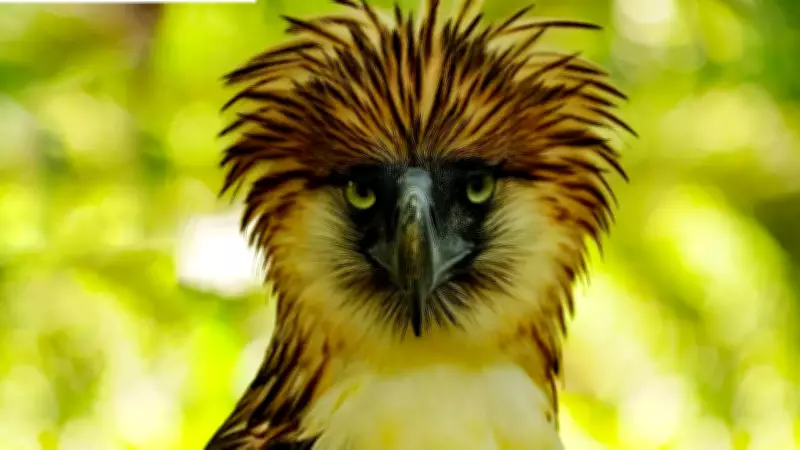
The Majestic Philippine Eagle: A Critically Endangered Icon
The Philippine eagle, scientifically known as Pithecophaga jefferyi, is famously nicknamed the 'monkey-eating bird' due to early observations of it hunting monkeys in its native forests. This apex predator is not only a national symbol of the Philippines but also one of the world's largest and most endangered eagles.
Impressive Physical Dimensions and Hunting Prowess
In terms of size, the Philippine eagle ranks among the largest eagles globally by both length and wingspan. Adults typically stand about one metre tall, with a body length ranging from 2.5 to 3.3 feet (76 to 102 centimetres) from head to tail. Their average wingspan stretches approximately 6.5 feet, close to 1.9 metres, though some individuals may appear broader in flight depending on feather spread and age.
Weight varies significantly between 10 and 18 pounds (4.5 to 8.1 kilograms), with females generally being larger and heavier than males, a common trait among birds of prey. The eagle's long claws, measuring around 7.6 centimetres, are crucial for gripping prey in the dense forest canopy.

As a diurnal hunter, the Philippine eagle feeds primarily during daylight hours. Its diet includes monkeys, flying squirrels, civets, bats, and snakes. On some islands, it also preys on birds and reptiles, adapting to local availability. This diverse diet underscores its role as a top predator in its ecosystem.
Shrinking Habitat and Critical Endangerment
Despite the Philippines comprising over 7,000 islands, the Philippine eagle's habitat is limited to shrinking primary dipterocarp forests. These tall, dense forests provide essential nesting trees and hunting grounds, with individual birds patrolling territories that can exceed 100 square kilometres.
Historically, lowland forests offered ideal conditions, but extensive clearing for logging and farming has drastically reduced these areas. In recent decades, the eagles have been forced into steeper mountain slopes where logging is less intense. However, threats persist from mining, road construction, and small-scale clearing, which fragment the forest and hinder its recovery.
The species is listed as critically endangered by the International Union for Conservation of Nature (IUCN), with fewer than 500 mature individuals believed to remain in the wild. Habitat loss, hunting, and forest degradation continue to drive its decline, particularly in lowland regions.
Slow Breeding Cycle Hinders Population Recovery
Philippine eagles form long-term pair bonds and build large stick nests high in tall trees. Females typically lay only one egg every two years, with both parents incubating the egg for about 60 days and caring for the chick for months after hatching.
Young birds remain with their parents for up to half a year, and sexual maturity may not be reached until age seven. This slow breeding pattern makes population recovery extremely challenging when adults are lost, exacerbating the species' vulnerability.
Conservation Efforts and Ongoing Challenges
Conservation initiatives for the Philippine eagle began in the 1970s and include protection laws, habitat controls, and captive breeding programmes. Despite these efforts, numbers remain critically low, and monitoring across remote forest areas is inconsistent.
The Philippine eagle serves as a powerful national symbol, yet its future hinges on the preservation of intact forests. Continued habitat protection and enhanced conservation strategies are essential to prevent the extinction of this magnificent bird.