Pakistan Heightens Security Amid Fears of Militant Backlash After Afghanistan Airstrikes
Pakistan has entered a state of heightened vigilance and security preparedness following recent airstrikes conducted by its military in neighboring Afghanistan. The operations, which targeted militant hideouts, have sparked significant concerns within Pakistani security circles about the potential for retaliatory attacks by insurgent groups operating across the border.
Escalating Tensions and Security Measures
The airstrikes, carried out in response to intelligence indicating militant planning against Pakistan, have led to an immediate escalation in regional tensions. Pakistani authorities have deployed additional security forces along the volatile border regions and are closely monitoring militant communications and movements. This proactive stance aims to preempt any attempts by extremist factions to launch cross-border incursions or domestic attacks in retaliation for the military action.
Officials in Islamabad have emphasized that the strikes were a necessary defensive measure, citing repeated violations of Pakistani sovereignty by militants based in Afghanistan. However, the move has strained diplomatic relations, with Afghan leaders condemning the incursion as a breach of international norms. The situation underscores the fragile security dynamics in South Asia, where historical grievances and ongoing conflicts frequently spill over national boundaries.

Potential for Militant Reprisals and Regional Implications
Security analysts warn that the airstrikes could provoke a sharp increase in militant activity, particularly from groups like the Tehrik-i-Taliban Pakistan (TTP) and other factions that have found sanctuary in Afghanistan. There is a palpable fear that these organizations may seek to demonstrate their resilience by targeting Pakistani military installations, civilian areas, or critical infrastructure, thereby testing the country's counterterrorism capabilities.
The broader regional implications are also significant, as the incident adds to the complexities of Afghanistan's internal security challenges under Taliban rule. Neighboring countries, including Iran and India, are closely watching the developments, concerned about the potential for wider instability. This episode highlights the ongoing struggle for control in border zones, where militant groups often exploit governance gaps to sustain their operations.
Government Response and Future Outlook
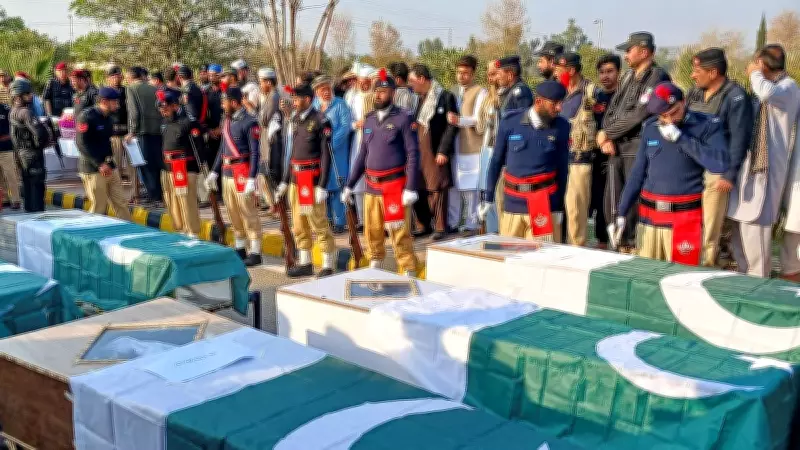
In response to the heightened threat level, Pakistani authorities have issued advisories to provincial governments and law enforcement agencies, urging them to maintain maximum alertness. Public gatherings in sensitive areas have been restricted, and security protocols at airports and other key sites have been reinforced. The government has also engaged in diplomatic channels to explain its actions to international partners, seeking to mitigate fallout and garner support for its security concerns.
Looking ahead, the situation remains fluid, with the potential for further military engagements or diplomatic negotiations to defuse tensions. Experts suggest that a sustained dialogue between Pakistan and Afghanistan, possibly mediated by regional powers, will be crucial to preventing a cycle of violence. The coming weeks will be critical in determining whether this incident leads to a prolonged security crisis or a managed de-escalation.