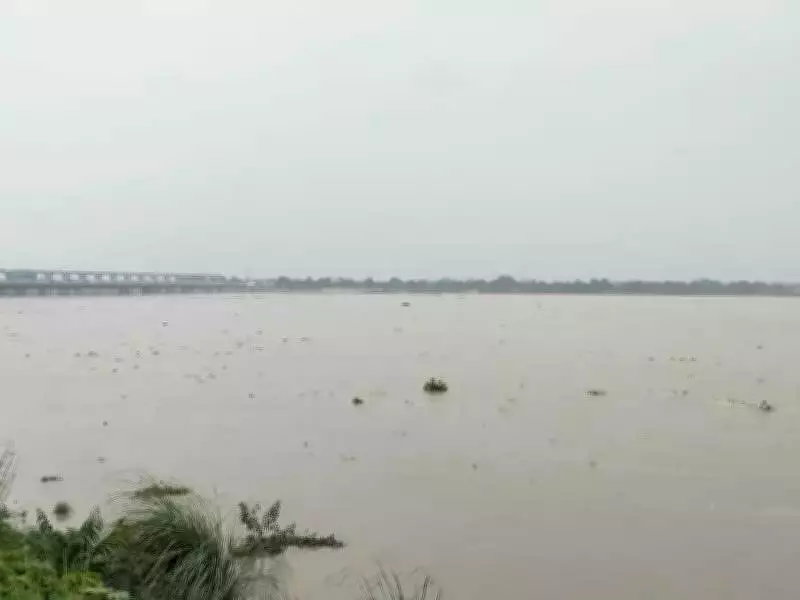
NGT Demands Swift Action on Kanpur's Industrial Water Pollution Crisis
The National Green Tribunal (NGT) has once again emphasized the critical need for immediate action to combat industrial water pollution in the Kanpur region, stressing that this environmental hazard is inextricably linked to the survival and economic well-being of local residents. During a recent hearing of a batch of related cases, the tribunal underscored the severe implications of delayed responses.
Judicial Proceedings and Compliance Review
The principal bench in New Delhi, led by Chairperson Justice Prakash Shrivastava and Expert Member Dr. A. Senthil Vel, presided over the matters. In prior sessions, the tribunal had examined 22 recommendations submitted by the amicus curiae and issued stern warnings that any failure to meet established deadlines could result in legal action against responsible officials, including District Magistrates and senior state authorities.
Fresh compliance reports were submitted by the concerned District Magistrates and the state government of Uttar Pradesh. The NGT has authorized the amicus curiae to scrutinize these documents and develop a comparative analysis table. This table will clearly indicate whether the actions taken align with the prescribed timelines and detail the progress achieved to date.

Scrutiny of National Mission for Clean Ganga and Health Crisis
The tribunal also revisited the involvement of the National Mission for Clean Ganga (NMCG). Brijendra Swaroop, the Executive Director (Projects) of NMCG, addressed the bench, clarifying that earlier submissions recorded by the tribunal were based on miscommunication. He provided assurances that the NMCG's accurate and comprehensive official stance would be formally presented on record.
In a particularly alarming development, the amicus curiae highlighted lists of residents from areas including Rakhi Mandi, Rania, Kanpur Nagar, Kanpur Dehat, and Fatehpur. Blood samples from these individuals have tested positive for dangerous heavy metals such as chromium and mercury, directly linking pollution to severe health risks.
Directives for Medical Assistance and Future Hearings
Taking serious cognizance of this public health emergency, the NGT has issued a direct order to the state of Uttar Pradesh. The state must disclose full details regarding the medical treatment, healthcare facilities, and any assistance provided to each affected person. A strict deadline of six weeks has been granted for the state to compile and submit a detailed report on these measures.
The cases are scheduled for their next hearing on April 7, where further compliance and the state's report will be examined. The tribunal's firm stance highlights the ongoing legal and administrative pressure to resolve one of Uttar Pradesh's most pressing environmental and humanitarian crises.