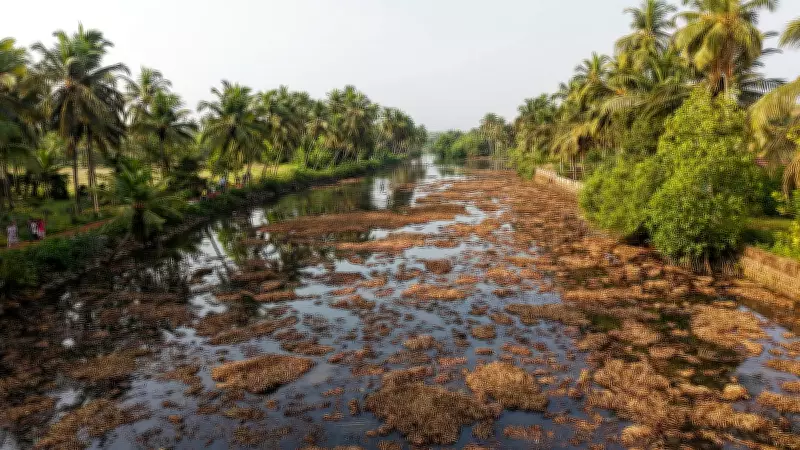
Pollution in Karnataka's Nandini River has severely impacted a centuries-old fish catching ritual, a tradition that has been passed down through generations. The ritual, which involves local fishermen gathering to catch fish in a coordinated manner, has been a cultural and economic mainstay for the community. However, increasing pollution levels have led to a decline in fish population, making the ritual increasingly difficult to perform.
Impact on Local Fishermen
The local fishermen, who rely on the river for their livelihood, have been deeply affected. Many have reported a significant drop in their catch, forcing them to seek alternative sources of income. The ritual, which once brought the community together, is now at risk of disappearing entirely. Fishermen have expressed concerns about the future of their profession and the cultural heritage associated with the river.
Environmental Concerns
Environmentalists have raised alarms about the deteriorating water quality in the Nandini River. Industrial waste, domestic sewage, and agricultural runoff have been identified as major contributors to the pollution. The river, which was once teeming with fish, now shows signs of severe ecological stress. The decline in fish population is not only affecting the ritual but also the entire aquatic ecosystem.

Government Response
The Karnataka State Pollution Control Board has acknowledged the issue and has initiated measures to monitor and control pollution levels. However, local residents and fishermen argue that these efforts have been insufficient. They are urging the government to take more stringent actions, including stricter enforcement of environmental regulations and the establishment of treatment plants for industrial waste.
Community Efforts
In response to the crisis, local communities have started organizing clean-up drives and awareness campaigns. They are also exploring sustainable fishing practices to help revive the fish population. Despite these efforts, the long-term solution lies in addressing the root causes of pollution. The community remains hopeful that with collective action, the Nandini River can be restored to its former health, preserving the centuries-old ritual for future generations.