A high-level parliamentary delegation conducted a crucial two-day review of the Tadoba-Andhari Tiger Reserve (TATR) in Chandrapur, focusing on the mounting pressures from industrial expansion, tourism, and developmental activities surrounding the critical habitat.
Committee Scrutinizes Habitat Threats and Conservation Efforts
The 10-member Parliamentary Standing Committee on Science and Technology, Environment, Forests, and Climate Change, chaired by Rajya Sabha MP Bhubaneswar Kalita, visited the reserve on a study tour over the weekend. The panel's primary objective was to assess how mining, tourism, and development pressures are shaping TATR's future. This visit marks a significant follow-up, as the same committee had previously visited Tadoba in 2019 and had then flagged the severe environmental impact of nearby coal mines and thermal power plants.
The delegation engaged in detailed consultations with senior officials from key forest and wildlife authorities. Those present included representatives from the Ministry of Environment, Forest and Climate Change (MoEFCC), the National Tiger Conservation Authority (NTCA), and the Wildlife Crime Control Bureau (WCCB). Key figures briefing the panel were NTCA chief Trivendra Singh Rawat, chief conservator of forests Dr. Jitendra Ramgaonkar, TATR field director Dr. Prabhu Nath Shukla, and deputy director (Core) Anand Yellu Reddy. Officials from the National Environmental Engineering Research Institute (Neeri) in Nagpur were also part of the discussions.

Focus on Industrial Expansion and Ecological Balance
The committee meticulously examined the consequences of rapid industrial growth around the tiger reserve. Specific attention was paid to:
- The impact on habitat integrity and wildlife corridors essential for tiger movement.
- The implications of mining corridors that border the protected area.
- Ongoing pollution concerns stemming from adjacent industrial activities.
- The effectiveness of current wildlife protection strategies and habitat management practices.
Officials apprised the members of the challenges in enforcement and the persistent issue of human-animal conflict. The growing pressure from tourism on sensitive forest zones emerged as another critical area of review, with discussions on measures to regulate tourist inflows sustainably.
Field Inspection and Unforgettable Tiger Sighting
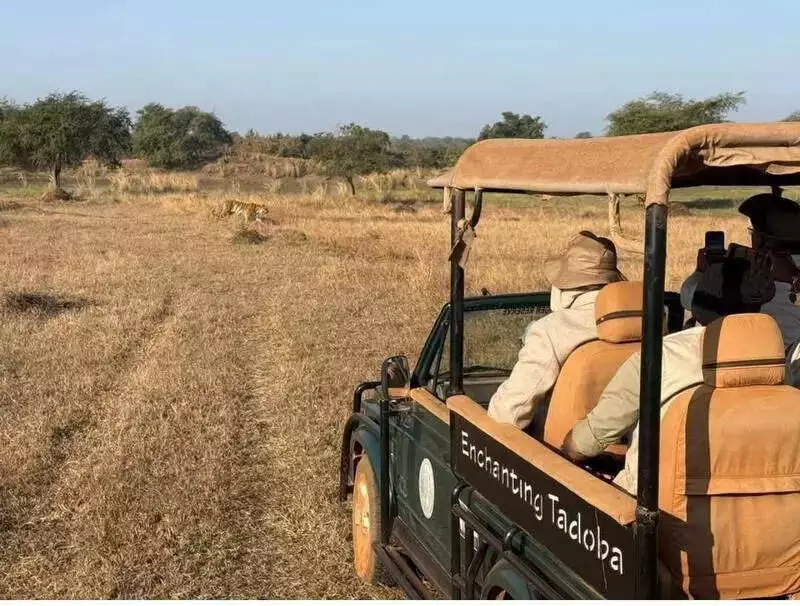
The visit included a hands-on field inspection. Committee member and MP Jagdambika Pal shared his experiences on social media, posting photographs from the tour. He described an early morning safari into the core zone, where the sighting of a tiger named Parakram was "unforgettable." Pal emphasized that conserving this natural heritage is a collective responsibility, a sentiment that resonated with the committee's broader agenda.
The parliamentary panel arrived in Chandrapur on Saturday and concluded its visit on Sunday evening. The insights gathered from this intensive review are expected to inform policy recommendations aimed at strengthening conservation frameworks for India's vital tiger landscapes, balancing ecological security with regional development pressures.