Miyawaki forests in Bengaluru are being increasingly promoted as solutions for urban heat reduction, carbon sequestration, biodiversity conservation, flood mitigation, and pollution control along roads. However, experts caution that simply planting trees is not enough to achieve these benefits.
Potential Benefits of Miyawaki Forests
These dense, native forests are touted as effective urban heat-reduction pockets, capable of lowering surrounding temperatures. They also act as carbon sinks, absorbing carbon dioxide from the atmosphere. Additionally, they serve as biodiversity pockets, providing habitat for local flora and fauna. In flood-prone areas, they can buffer against flooding by absorbing excess rainwater. Near roads, they function as pollution barriers, trapping particulate matter and reducing noise.
Challenges and Requirements
Despite their potential, Miyawaki forests require more than just planting trees. Proper maintenance, including regular watering, weeding, and monitoring, is essential for their survival and effectiveness. Without adequate care, these forests may fail to deliver the expected ecological services. Experts emphasize the need for long-term management plans and community involvement to ensure the forests thrive.

Furthermore, the location and design of Miyawaki plantations play a crucial role. Forests planted in unsuitable areas or with inappropriate species may not provide the desired benefits. For instance, a plantation near a road can reduce pollution only if the trees are dense enough and properly spaced. Similarly, flood mitigation requires forests in low-lying areas with good soil absorption capacity.
Current Status in Bengaluru
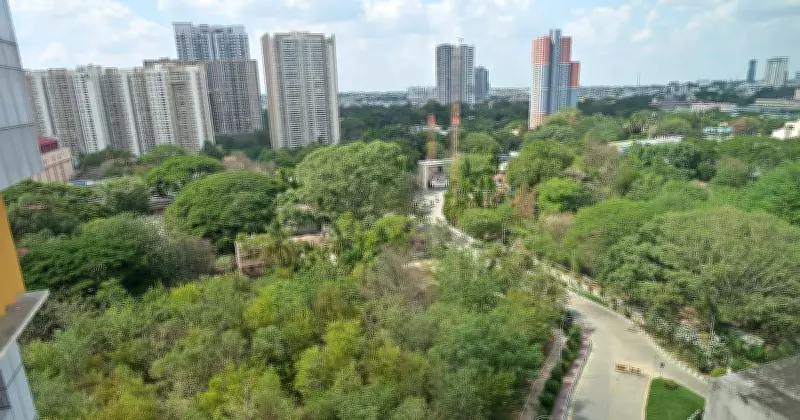
In Bengaluru, several Miyawaki forests have been established by organizations like K-RIDE in Nadaprabhu Kempegowda Layout and by civic authorities in Banashankari 6th Stage. These early-stage plantations show promise but need continued support to mature and function effectively. The city's urban planners are exploring ways to integrate these forests into the broader green infrastructure.
Overall, while Miyawaki forests offer multiple environmental benefits, their success hinges on careful planning, maintenance, and community participation. Without these, they risk becoming just another tree-planting initiative without lasting impact.