Middle East Conflict Triggers LPG Shortage, Reshaping Indian Consumer Habits
The escalating conflict in the Middle East continues to send shockwaves through global energy markets, with significant repercussions for Indian households. As tensions disrupt oil and gas supplies, a severe liquified petroleum gas (LPG) shortage has emerged across India, prompting a dramatic shift in consumer behavior toward ready-to-cook and no-cook food alternatives.
Surge in Ready-to-Eat Food Sales Amid Gas Crisis
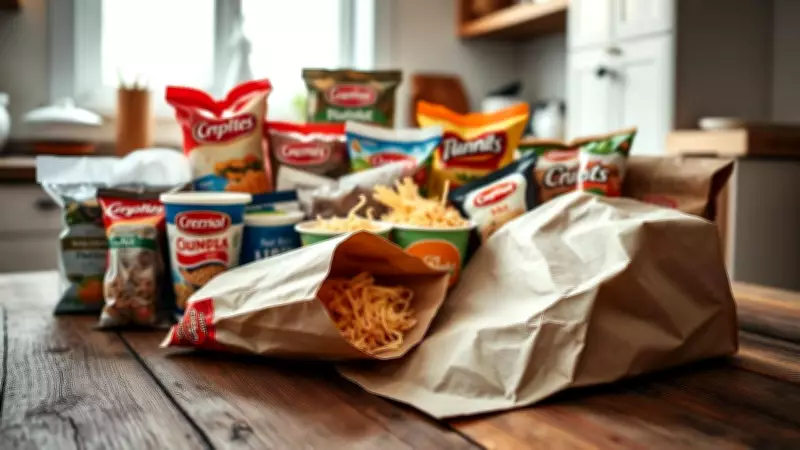
Retailers across the nation are reporting a sharp increase in demand for convenience foods, with sales climbing up to 20% month-on-month. This surge is directly linked to the LPG supply disruption caused by the ongoing Gulf conflict, which has affected restaurants, factories, corporate cafeterias, schools, and countless homes.
"Categories such as ready meals, frozen snacks, instant noodles, and ready-to-cook products have seen strong traction, leading to about a 10-12% rise in this segment," stated Karan Ahuja, spokesperson at premium grocery retailer Le Marche. "While the surge appears temporary, we are proactively stocking these categories to ensure adequate availability."

Brands are responding aggressively to capitalize on this unexpected market shift. Mother Dairy has revived advertising campaigns for its frozen vegetable range, while Swiggy Instamart is actively promoting 'induction-friendly' cookware to cater to the growing demand for electric cooking alternatives.
Long-Term Behavioral Shifts and Brand Responses
Industry experts suggest this crisis may catalyze lasting changes in Indian consumption patterns, similar to the surge in packaged foods witnessed during the COVID-19 pandemic lockdowns. After stabilizing to single-digit growth post-pandemic, the ready-to-cook and frozen food segment is experiencing renewed momentum.
"Our Thai curry ready-to-cook pastes are seeing the highest consumer sales for the first time since launch in two years," revealed Deb Mukherjee, founder of Asian packaged ready-to-eat foods brand Moi Soi. "This may also lead to a long-term shift in consumer behaviour towards adapting ready-to-eat pastes even when things normalise."
LT Foods, the manufacturer of Daawat ready-to-cook biryani kits and rice mixes, confirmed significant traction for their convenience range. A company spokesperson noted, "Moreover, if the shortage and uncertainty continue over the coming weeks or more, we expect the ready-to-eat category to see higher sales offtake."
Health-Conscious Alternatives and Electric Cooking Demand
The crisis is also driving interest in nutritious no-cook options. "Products such as protein oats and millet muesli are witnessing strong traction, making them particularly popular among working professionals and health-conscious individuals," said Ankit Jha, founder and CMO of health brand Doctor's Choice.
Simultaneously, demand for electric cooking appliances has skyrocketed. "We have observed a sharp and immediate uptick in demand for induction cooktops over the past few days with our average daily run rate having surged to nearly three times the usual levels," reported Shibashish Roy, managing director at Infiniti Retail, which operates the Croma electronics chain.
Political Fallout and Persistent Supply Issues
The LPG crisis has spilled into political arenas, sparking heated debates in Parliament. Despite the Ministry of Petroleum and Natural Gas prioritizing domestic LPG supplies since March 5, shortages persist nationwide. Some households are facing cylinder price hikes of up to 30%, exacerbating the economic strain on consumers.
The situation remains fluid as the Middle East conflict continues to evolve, with international actors including the US, Israel, and Iran deeply involved. The disruption highlights how geopolitical tensions in one region can rapidly transform daily life and market dynamics in another, forcing adaptation and innovation from both consumers and businesses alike.