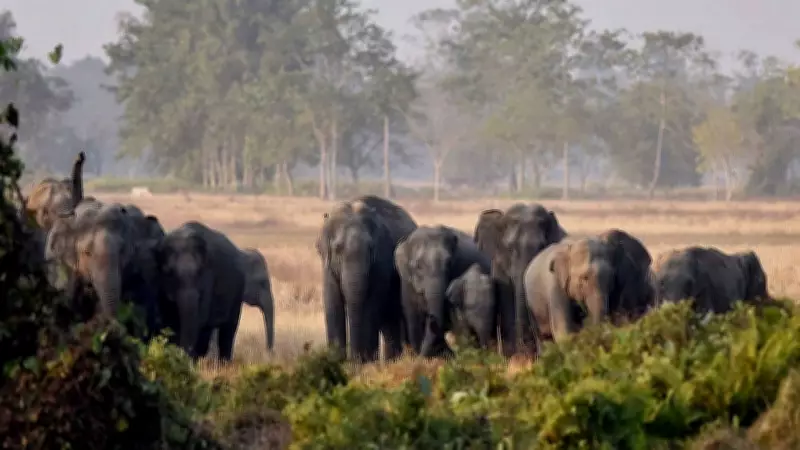
Equally important is the quality of forests. The spread of invasive species, degradation of grasslands, and declining availability of food and water often push animals into plantations and farmlands. This encroachment leads to increased human-wildlife conflict, threatening both livelihoods and biodiversity.
Understanding the Root Causes
Invasive plant species outcompete native vegetation, reducing the diversity and abundance of food sources for herbivores. Degraded grasslands fail to support grazing animals, while water scarcity forces wildlife to venture into human-dominated landscapes in search of sustenance. These factors collectively disrupt natural habitats and escalate encounters between humans and animals.
The Impact on Communities
Farmers bear the brunt of crop raiding by elephants, wild boars, and other animals. Livestock predation by carnivores like leopards and tigers further strains rural economies. In retaliation, communities may resort to harmful practices such as poisoning, trapping, or poaching, exacerbating the problem.

Strategies for Coexistence
A long-term approach must prioritize forest restoration and management. Key measures include:
- Removing invasive species to allow native plants to regenerate and provide natural forage.
- Restoring grasslands to support herbivore populations and reduce their dependence on agricultural crops.
- Creating water sources within forests to prevent animals from seeking water in villages.
- Establishing buffer zones of native vegetation between forests and farmlands to deter wildlife incursions.
Community Involvement
Local communities must be active partners in conservation. Incentive programs for crop damage, early warning systems, and training in non-lethal deterrents can foster tolerance. Empowering village committees to manage conflicts and monitor wildlife movements builds trust and cooperation.
Policy and Implementation
Government policies should integrate forest quality improvement with livelihood support. Funding for habitat restoration, compensation schemes, and research on human-wildlife dynamics is essential. Collaboration between forest departments, NGOs, and scientists can ensure evidence-based interventions.
Ultimately, coexistence requires a shift in perspective: viewing wildlife not as a threat but as an integral part of our ecosystem. With sustained effort and collective action, we can create landscapes where both humans and animals thrive.