The serene and scientifically significant Lonar Lake in Maharashtra's Buldhana district has become the centre of a puzzling environmental event. Over recent months, the lake's water level has risen dramatically and unexpectedly, leading to the partial submergence of several ancient temples located on its shore. This unusual phenomenon has prompted the state forest department to seek expert intervention, roping in researchers from the prestigious Indian Institute of Technology Bombay (IIT Bombay) to unravel the mystery.
A Geological Anomaly in the Heart of Maharashtra
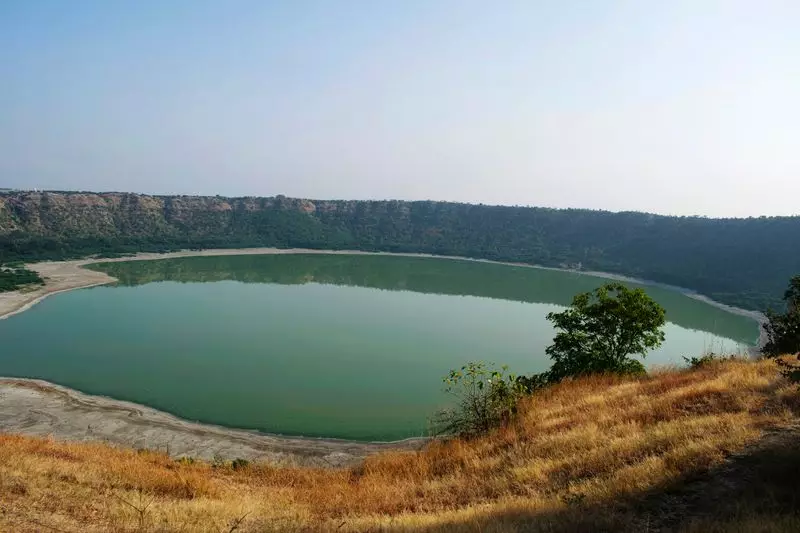
Lonar Lake is no ordinary water body. It is a unique saline and alkaline crater lake formed by a meteorite impact an estimated 52,000 ± 6,000 years ago. This geological marvel, located about 500 km from Mumbai, is a notified National Geo-heritage Monument. The recent surge in its water level is unprecedented in recent memory. Officials report that the lake's water has risen by approximately 2.5 to 3 feet over a short period, encroaching upon land and structures that have been dry for generations.
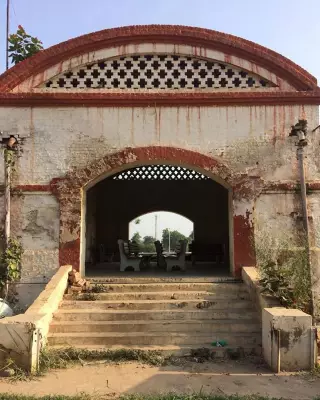
The most visible impact of this rise is on the cluster of small temples dating back to the 12th to 16th centuries, situated along the lake's rim. Several of these historical structures are now partially underwater, with water entering their inner sanctums. This has raised significant concerns about the preservation of this cultural heritage site. The lake's increased volume has also altered its colour, with reports noting a shift towards a greenish hue, adding another layer to the enigma.

IIT Bombay Steps In to Decode the Mystery
Faced with this baffling situation, the Maharashtra Forest Department has formally engaged scientists from IIT Bombay's Earth Sciences department. A team of experts is expected to conduct a thorough, multi-disciplinary investigation. The scope of their study will be comprehensive, aiming to pinpoint the exact cause behind the sudden hydrological change.
The investigation will likely explore several hypotheses. Scientists will examine whether changes in underground aquifers or hydrothermal vents within the crater are feeding more water into the lake. They will also analyze local rainfall patterns and runoff, though officials have stated that the rise does not directly correlate with recent monsoon precipitation. Another critical line of inquiry will be to assess if any geological shifts or seismic activity have altered the lake's subsurface structure, potentially blocking natural outlets or opening new water sources.
Implications for Heritage and Hydrology
The consequences of the rising waters extend beyond the immediate submersion of the temples. There is a growing worry about the long-term structural stability of these ancient monuments if they remain in contact with water. The saline and alkaline nature of Lonar Lake's water could accelerate the deterioration of the stonework, posing a serious threat to their preservation.
Furthermore, the event highlights the dynamic and sensitive nature of unique geological formations like Lonar. Understanding this phenomenon is crucial not just for heritage conservation but also for comprehending the complex hydro-geological systems of crater lakes. The findings from the IIT Bombay study could provide valuable insights for managing similar sites globally. For now, authorities and locals alike await answers from the scientific community, hoping to solve the mystery of the rising lake and find a way to protect its invaluable historical and natural legacy.