From Conflict to Companionship: Kashmir's Pets Move Indoors as Peace Prevails
In a remarkable transformation mirroring the region's evolving peace, Kashmir is witnessing a significant shift as dogs and cats, once primarily street dwellers, are increasingly finding their way into homes as cherished companions. This trend, emerging from the backdrop of decades of conflict, highlights a profound change in societal attitudes and living conditions in Jammu and Kashmir.
A Shift from Streets to Sofas
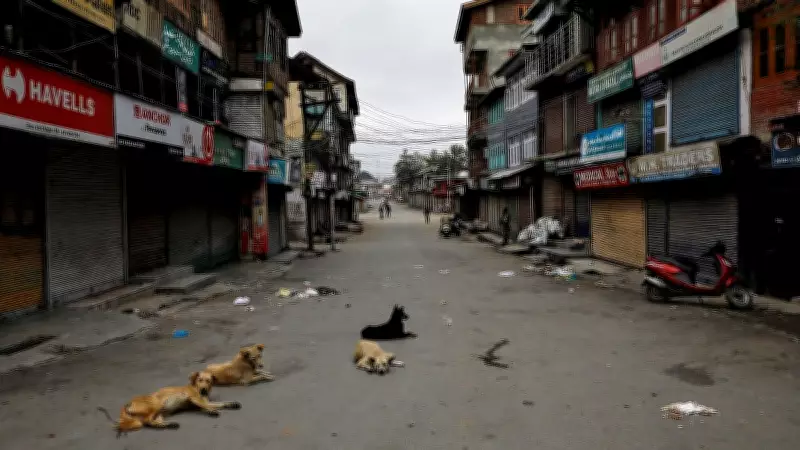
Historically, the volatile security situation in Kashmir meant that many residents were hesitant to keep pets indoors, with animals often left to roam freely. However, with improved stability and reduced conflict in recent years, families are now embracing the joy of pet ownership. Dogs and cats are being adopted from shelters or taken in from the streets, moving from uncertain outdoor lives to secure indoor environments.
This transition is not just about animal welfare; it symbolizes a broader societal healing. As peace takes root, people are focusing more on domestic comforts and emotional bonds, with pets playing a key role in providing companionship and reducing stress in households across the region.

Factors Driving the Change
Several factors contribute to this growing trend of indoor pet ownership in Kashmir:
- Improved Security: With a decline in violence and conflict-related incidents, residents feel safer to invest in long-term commitments like pet care, without the constant fear of disruptions.
- Changing Mindsets: There's a noticeable shift in how animals are perceived—from strays to family members. This is fueled by increased awareness through social media and local animal welfare groups promoting responsible pet ownership.
- Economic Stability: As the region's economy stabilizes, more families can afford the expenses associated with keeping pets, such as food, veterinary care, and grooming.
- Psychological Benefits: In a post-conflict society, pets offer emotional support, helping individuals cope with past traumas and fostering a sense of normalcy and routine.
Challenges and Community Efforts
Despite the positive trend, challenges remain. Some areas still face issues like stray animal populations and limited access to veterinary services. However, community-led initiatives are stepping up to address these concerns. Local animal shelters and rescue organizations are working tirelessly to promote adoption, spaying, and neutering programs to manage stray numbers humanely.
These efforts are complemented by educational campaigns that teach residents about pet care, vaccination, and the importance of keeping animals indoors for their safety and well-being. As a result, more Kashmiris are becoming proactive in creating a pet-friendly environment, reflecting a collective move towards compassion and coexistence.
A Symbol of Hope and Harmony
The movement of dogs and cats from conflict zones to cozy homes in Kashmir is more than just a lifestyle change—it's a powerful symbol of hope and harmony. It underscores how peace can transform not only human lives but also the lives of animals, fostering a culture of kindness and resilience.
As this trend continues to grow, it serves as a testament to the region's journey from turmoil to tranquility, where companionship and care are becoming central to everyday life. The sight of pets lounging indoors in Kashmir is a heartening reminder that even in places scarred by conflict, new beginnings are possible, one paw at a time.