Sub-Zero Night Temperatures Persist in Kashmir, Chillai Khurd Signals Milder Cold Ahead
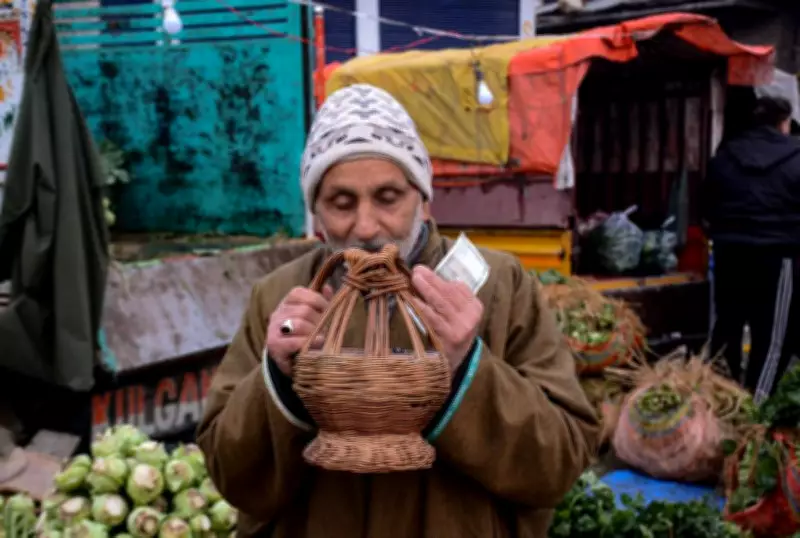
The picturesque valley of Kashmir continues to grapple with biting cold as night temperatures stubbornly remain below the freezing point across various locations. This persistent chill has enveloped the region, affecting daily life and prompting residents to brace for more frigid conditions. However, a glimmer of relief is on the horizon with the onset of Chillai Khurd, a meteorological phase that traditionally heralds a gradual moderation in the harsh winter cold.
Current Weather Conditions in Kashmir
In recent days, Kashmir has witnessed a significant drop in mercury levels, with night temperatures plunging well into the sub-zero range. Key areas such as Srinagar, Gulmarg, and Pahalgam have reported temperatures hovering around minus degrees Celsius, creating a frosty atmosphere that challenges both locals and visitors alike. The cold wave has led to frozen water bodies, icy roads, and increased reliance on heating systems, impacting transportation and outdoor activities.
Meteorological data indicates that this cold spell is part of the broader winter pattern in the region, influenced by western disturbances and local climatic factors. The persistence of these low temperatures underscores the severity of the current season, with authorities advising caution to prevent health issues like frostbite and hypothermia.

Chillai Khurd: A Sign of Milder Cold Ahead
Amidst the ongoing cold, the arrival of Chillai Khurd offers a hopeful outlook for Kashmir. This 40-day period, which follows the harsher Chillai Kalan, is characterized by relatively milder cold and is a traditional marker in the local weather calendar. During Chillai Khurd, temperatures typically begin to rise slightly, though they may still remain low, providing a gradual transition from the peak winter intensity.
Experts suggest that this phase could bring:
- A slow but steady increase in daytime temperatures.
- Reduced frequency of snowfall in some parts of the valley.
- Improved conditions for agriculture and horticulture, as the cold moderates.
Residents often view Chillai Khurd as a period of respite, allowing for more comfortable outdoor engagements and a reduction in the extreme cold that defines the earlier part of winter.
Impact on Daily Life and Precautions
The persistent sub-zero temperatures have had a tangible impact on daily life in Kashmir. Schools and businesses have adjusted schedules to cope with the cold, while healthcare facilities report an uptick in respiratory ailments and cold-related illnesses. To mitigate these effects, authorities and communities are taking several measures:
- Issuing weather advisories to keep the public informed about temperature fluctuations.
- Ensuring the availability of essential supplies like heating fuel and warm clothing.
- Monitoring vulnerable populations, including the elderly and homeless, to provide necessary support.
As Chillai Khurd sets in, it is expected to ease some of these challenges, though residents are advised to remain prepared for occasional cold snaps. The transition to milder conditions may also boost tourism, as visitors find the weather more amenable for exploring Kashmir's natural beauty.
Looking Forward: Weather Trends and Predictions
Looking ahead, meteorological forecasts indicate that while sub-zero temperatures may persist in the short term, the overall trend during Chillai Khurd points towards a gradual warming. This shift is likely to bring:
- More sunny days interspersed with cold nights.
- Potential for light snowfall in higher altitudes, but less intense than during Chillai Kalan.
- A gradual thawing of frozen landscapes, aiding in water availability for spring.
In conclusion, Kashmir remains in the grip of winter's chill with ongoing sub-zero night temperatures, but the onset of Chillai Khurd signals a promising turn towards milder cold. This natural progression offers hope for relief and adaptation, as the region navigates the remaining winter months with resilience and preparedness.