

Israel to Reopen Gaza's Rafah Crossing After Search for Last Hostage Body Concludes
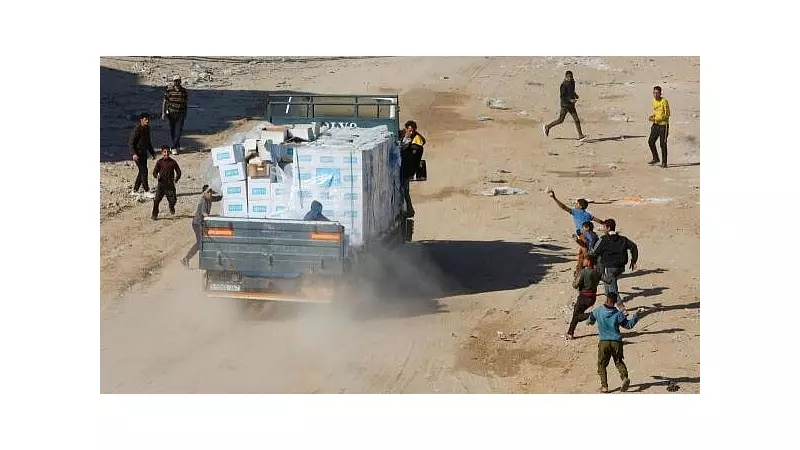
In a significant development for regional stability, Israel has announced plans to reopen the Rafah border crossing in Gaza. This decision comes after the completion of a critical search operation aimed at recovering the body of the last remaining hostage from the conflict. The reopening of this key transit point is expected to facilitate humanitarian aid and movement in the war-torn region, potentially easing tensions that have persisted for months.
Background on the Ceasefire and Initial Plans
The Rafah crossing was originally slated to open during the initial phase of a peace plan proposed by former US President Donald Trump. This plan was designed to bring an end to the prolonged war between Israel and Hamas. A ceasefire agreement reached in October between the two parties laid the groundwork for this phased approach, with the border reopening being a crucial early step towards normalization and recovery.
However, delays ensued as Israel prioritized the search for hostages, underscoring the complex humanitarian and security challenges involved. The recent conclusion of this search has now cleared the way for the crossing to resume operations, aligning with broader international efforts to restore peace and provide relief to affected populations.

Implications for Gaza and Regional Dynamics
The reopening of the Rafah crossing holds profound implications for Gaza's residents and the wider Middle East. It is anticipated to improve access to essential supplies, medical aid, and economic opportunities, which have been severely constrained during the conflict. This move could also signal a shift towards more cooperative engagement between Israel and Hamas, albeit cautiously, as both sides navigate the fragile ceasefire.
International observers are closely monitoring the situation, hoping that this step will pave the way for further diplomatic breakthroughs. The involvement of global stakeholders, including the United States, highlights the cross-border significance of this development in fostering long-term stability in the region.






