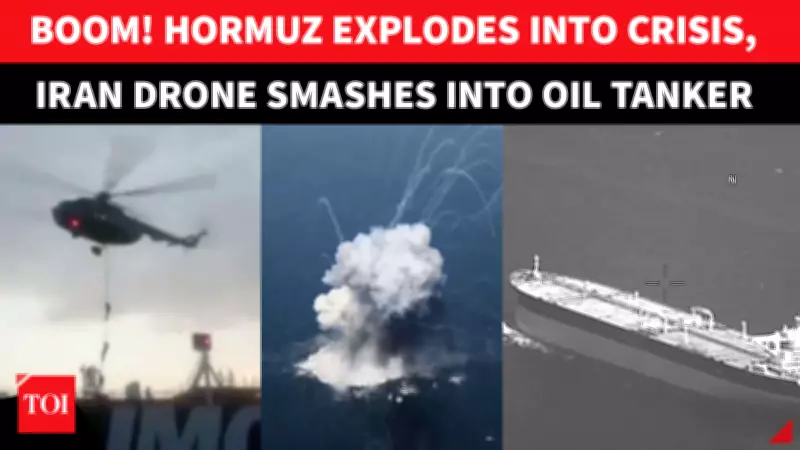
IRGC Drone Attack on Malta-Flagged Tanker Heightens Strait of Hormuz Tensions
In a significant escalation of maritime hostilities, Iran's Islamic Revolutionary Guard Corps has reportedly conducted a drone strike on a commercial oil tanker in the strategically vital Strait of Hormuz. The incident, which occurred on March 7, 2026, has intensified fears over the security of one of the world's most crucial oil chokepoints, raising alarms among global energy markets and international observers.
Details of the Attack on the Prima Tanker
According to reports from the Tasnim News Agency, the targeted vessel was the Prima, a Malta-flagged oil and chemical tanker. The drone attack took place while the ship was navigating the Gulf region. Iranian authorities claim that the tanker ignored repeated warnings from the IRGC Navy regarding unsafe conditions in the strait, prompting the military action. This assertion, however, has not been independently verified by international bodies, adding a layer of complexity to the unfolding crisis.
Escalating Maritime Incidents Since Late February
This latest attack is part of a disturbing pattern of maritime aggression that has emerged since the onset of the Iran conflict on February 28. Reuters has documented that at least eight vessels have been hit in the area over this period, signaling a rapid deterioration in regional stability. The Strait of Hormuz, a narrow passage through which approximately one-fifth of the world's oil supply transits, is now at the epicenter of these tensions, with each incident amplifying risks to global energy security.

Broader Implications for Global Oil Markets and Security
The targeting of commercial ships, particularly oil tankers, in such a critical waterway poses severe threats to international trade and energy flows. Analysts warn that continued attacks could lead to spikes in oil prices and potential disruptions in supply chains, affecting economies worldwide. Moreover, the involvement of state-backed forces like the IRGC complicates diplomatic efforts to de-escalate the situation, as it blurs the lines between military and civilian engagements.
International Response and Future Outlook
As tensions mount, the international community is closely monitoring developments, with calls for enhanced maritime security measures and diplomatic interventions. The incident underscores the fragility of key global chokepoints and the need for coordinated action to prevent further escalations. With the conflict showing no signs of abating, stakeholders are urged to prioritize dialogue and conflict resolution to safeguard vital shipping lanes and maintain regional peace.