Eyewitnesses Detail Iran's Harsh Crackdown with 'Shoot to Kill' Reports
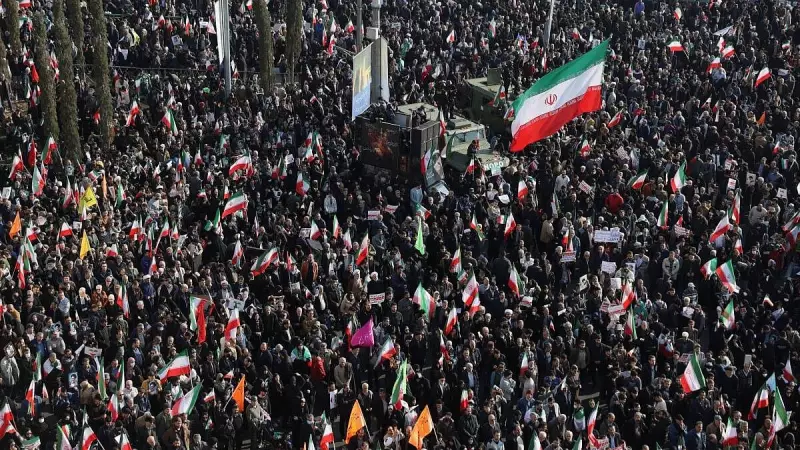
Disturbing accounts of a brutal government crackdown have surfaced from Iran, painting a grim picture of the situation on the ground. Nine residents of Tehran, along with two doctors and a nurse employed at government hospitals, have come forward with firsthand testimonies. They describe witnessing a significant escalation in the government's response to protests, with reports indicating a 'shoot to kill' policy being implemented.
Medical Professionals Confirm Violent Incidents
The medical workers, who serve in state-run hospitals, provided crucial insights into the severity of the crackdown. They reported treating numerous victims of violent clashes, corroborating the accounts of Tehran residents. These professionals highlighted the direct impact of the government's harder line, noting an increase in serious injuries and fatalities linked to the protests.
The eyewitnesses emphasized that the crackdown appears more organized and ruthless than in previous instances. They observed security forces using excessive force against demonstrators, with little regard for civilian safety. This shift in tactics has raised alarm among human rights observers and international communities.

Residents Describe Fear and Uncertainty in Tehran
Tehran residents shared harrowing stories of living through the crackdown. They spoke of widespread fear and uncertainty as security operations intensified across the city. Many described scenes of chaos and violence that have become increasingly common in recent weeks.
The accounts suggest a deliberate strategy by authorities to suppress dissent through overwhelming force. This approach has led to a tense atmosphere in the capital, with residents cautious about venturing out or expressing opposition publicly.
International Response and Implications
These revelations come at a time when global attention is focused on Iran's internal affairs. The detailed eyewitness reports provide concrete evidence of the government's hardened stance against protesters. They challenge official narratives that often downplay the severity of state actions.
The testimonies from medical professionals are particularly significant. As government employees, their accounts carry weight in confirming the scale of violence. Their willingness to speak out despite potential risks underscores the gravity of the situation.
Human rights organizations are likely to use these accounts to pressure Iranian authorities for transparency and accountability. The international community faces renewed calls to address what appears to be a systematic crackdown on civil liberties.
As more details emerge, the world watches closely how Iran will respond to these allegations of brutality. The eyewitness accounts serve as a stark reminder of the human cost of political unrest and government repression.