

Iran's Elite NOPO Force: The Secret Unit Guarding Supreme Leader Khamenei
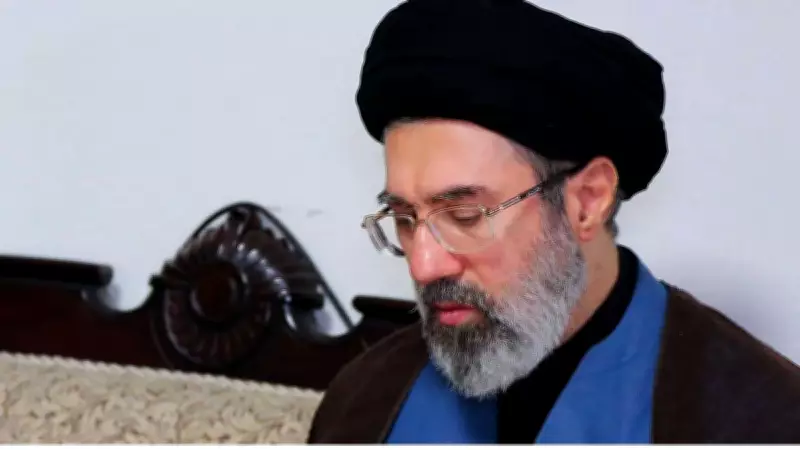
In the intricate and often opaque power structures of Iran, the NOPO force stands as a highly secretive and elite unit with a singular, critical mission: the personal protection of the country's Supreme Leader, Ayatollah Ali Khamenei, and his influential son, Mojtaba Khamenei. This specialized security detail operates under a veil of secrecy, with its activities and internal workings largely shielded from public view, reflecting its paramount importance within the Islamic Republic's security apparatus.
The Role and Mandate of the NOPO Force
The NOPO force, whose exact name and acronym details are closely guarded, functions as a dedicated protective service. Its primary responsibility is ensuring the absolute safety and security of Supreme Leader Ayatollah Ali Khamenei, who holds the highest authority in Iran's political and religious hierarchy. Beyond the Supreme Leader, the unit also extends its protective duties to Mojtaba Khamenei, a key figure often discussed in analyses of Iran's future leadership dynamics. The force is characterized by its elite training, advanced operational protocols, and a level of discretion that makes it one of the most enigmatic security entities in the region.
Structure and Secrecy
Operating with a high degree of autonomy, the NOPO force is believed to report directly to the Supreme Leader's office, bypassing conventional military or intelligence chains of command. This direct line underscores its trusted status. Members are selected through rigorous vetting processes, emphasizing unwavering loyalty, physical prowess, and specialized skills in close protection. The unit's secrecy is so profound that public information about its size, specific training methods, or operational history is extremely limited, with most insights derived from expert analyses and rare official acknowledgments.

Context of Rising Regional Tensions
The focus on the NOPO force gains particular relevance amid escalating regional tensions and internal pressures within Iran. As the country navigates complex geopolitical challenges, including international sanctions and domestic unrest, the security of its top leadership becomes increasingly critical. The force's role in safeguarding figures like Mojtaba Khamenei, who is seen as a potential successor, adds layers of political significance, intertwining security with the nation's future governance trajectories.
In summary, Iran's NOPO force represents a cornerstone of the regime's security strategy, dedicated to protecting its most pivotal figures. Its secretive nature and elite status highlight the lengths to which the Islamic Republic goes to insulate its leadership, a factor that remains a key element in understanding Iran's internal stability and its posture on the global stage.






