Iran's Brutal Crackdown Goes Digital: How the Regime Silences Dissent
Iran's government has perfected the art of cutting digital connections with the outside world. This practice has become routine during periods of unrest, leaving citizens isolated and struggling to communicate.
The Deepening Internet Blackout
Iranians face their worst internet shutdown yet. On January 8th, connectivity plummeted to just 1% of normal levels. This severe restriction has persisted, creating massive communication barriers.
People inside Iran cannot easily share news about the ongoing uprising. They also struggle to report the increasingly violent government crackdown to international observers. The blackout represents a significant escalation from previous protest periods in 2019 and 2022.

Violence and Information Control
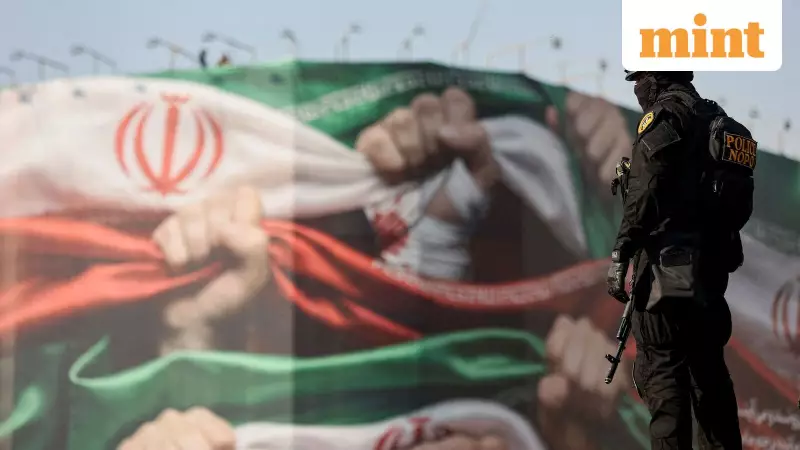
Security forces have killed hundreds, possibly over a thousand protesters in recent days. This brutal response may have slowed demonstration activity by January 12th, when the regime organized large counter-protests.
State television took an unusual approach by broadcasting images of victims' bodies. Officials acknowledged that many casualties were ordinary people rather than armed saboteurs as previously claimed. Foreign Minister Abbas Araghchi insisted the situation remained under total control during a January 12th speech in Tehran.
We are not looking for war, but we are prepared for war, Araghchi declared. He promised internet restoration would occur soon, though this assurance appears questionable given current conditions.
How Iran Cuts Digital Connections
The regime employs multiple sophisticated methods to control information flow:
- Manipulating the Border Gateway Protocol that connects Iran's internet to global networks
- Inspecting individual data packets to block VPN connections while allowing government website access
- Maintaining a domestic, state-controlled internet network to prevent complete technological regression
These techniques create significant obstacles for citizens seeking to bypass censorship. The government struggles with a constant whack-a-mole battle against new VPN services, though some VPNs may actually be government traps.
Satellite Resistance and Its Limitations
Starlink terminals from SpaceX offer one potential workaround. Tens of thousands have reportedly entered Iran since 2022 protests began. However, access remains inconsistent and unreliable.
It's patchy, explained one knowledgeable source within Iran. Some still appear to have it, some—including some embassies—seem to be completely cut off.
Initial information flows continued briefly after the January 8th shutdown, but slowed dramatically by January 11th. Iranians abroad report increasing difficulty contacting relatives inside the country.
Jamming Technology and Countermeasures
Iranian security forces deploy sophisticated jamming equipment. They position high-powered jammers at elevated locations to cover wider urban areas. Electronic warfare expert Tom Withington suggests Iran might also jam GPS signals nationwide.
GPS disruption prevents Starlink terminals from determining their locations, complicating satellite connections. SpaceX's own geofencing restrictions, designed to prevent certain uses, become vulnerable to spoofing attacks through this method.
International Response Considerations
Former President Donald Trump has indicated possible intervention if the regime kills protesters. On January 11th, he mentioned one objective was to get the internet going, if that's possible.
Offensive cyber operations present one theoretical option, though experts consider this extremely difficult given Iran's tight control over telecommunications. A more feasible approach might involve flooding Iran with additional Starlink terminals through established smuggling routes, similar to efforts supporting Ukraine.
We may speak to Elon, Trump noted, because, as you know, he's very good at that kind of thing.
The information battle continues as Iran's regime demonstrates its determination to control both physical protests and digital communications during this period of significant unrest.