Iranians Flee to Arab Ally as U.S. Armada Deploys Amid Escalating Tensions
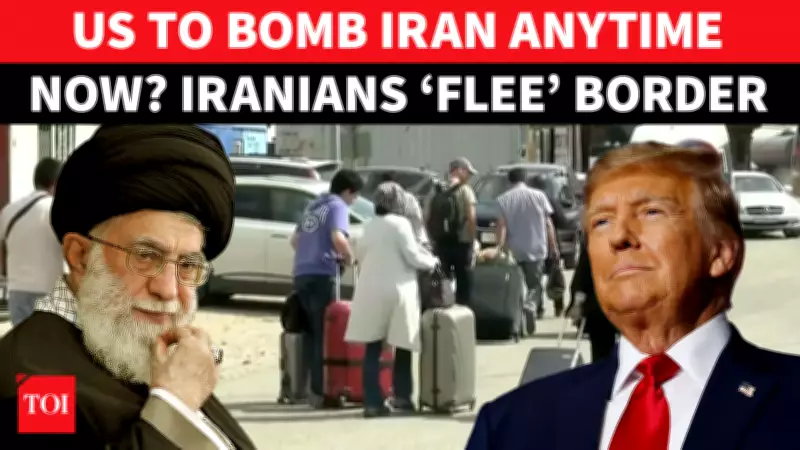
In a dramatic development, reports indicate that Iranians are fleeing to a U.S.-aligned Arab nation as former President Donald Trump deploys a massive naval armada to the Middle East. This exodus comes amid heightened fears of a potential regional conflict, with the U.S. military bolstering defenses across the region.
U.S. Military Strategy: Deterrence Over Immediate Strikes
According to sources cited by the Wall Street Journal, the United States is not currently prepared to launch military strikes against Iran. The decision stems from identified gaps in regional defense systems. Despite the deployment of a formidable naval force led by the USS Abraham Lincoln, Washington's primary focus remains on ensuring the protection of Israel, Gulf allies, and U.S. troops stationed in the area.
The Pentagon is accelerating the deployment of advanced missile defense systems, including THAAD and Patriot batteries, across strategic locations in the Middle East. This move aims to create a robust shield against potential threats, underscoring a strategy of deterrence rather than immediate offensive action.

Iran's Stern Warning and Diplomatic Maneuvers
Iran's Supreme Leader Ayatollah Ali Khamenei has issued a stark warning, stating that any attack on Iran could trigger a full-scale regional war. This declaration adds to the volatile atmosphere, as both sides navigate a precarious balance between military posturing and diplomatic efforts.
Former President Trump has left the door open for diplomacy, indicating a willingness to engage in talks. Concurrently, discussions with Russia are ongoing, with Moscow urging restraint from all parties involved. These diplomatic channels highlight the complex interplay of global powers in the standoff.
The Broader Implications: A Tense Regional Standoff
The current situation underscores a tense equilibrium of deterrence, diplomacy, and military preparedness. The fleeing of Iranians to an Arab ally nation reflects the growing anxiety among civilians, who fear the repercussions of escalating hostilities.
As the U.S. armada positions itself and defense systems are rushed into place, the region watches closely. The standoff not only tests the military capabilities of the involved nations but also their diplomatic resolve to prevent a broader conflict.
This unfolding scenario serves as a reminder of the fragile stability in the Middle East, where geopolitical tensions can quickly escalate, impacting global security and regional populations.