

Iran Issues Warning to Target 'Enemy Infrastructure' Following Israeli Airstrike on Gas Facility
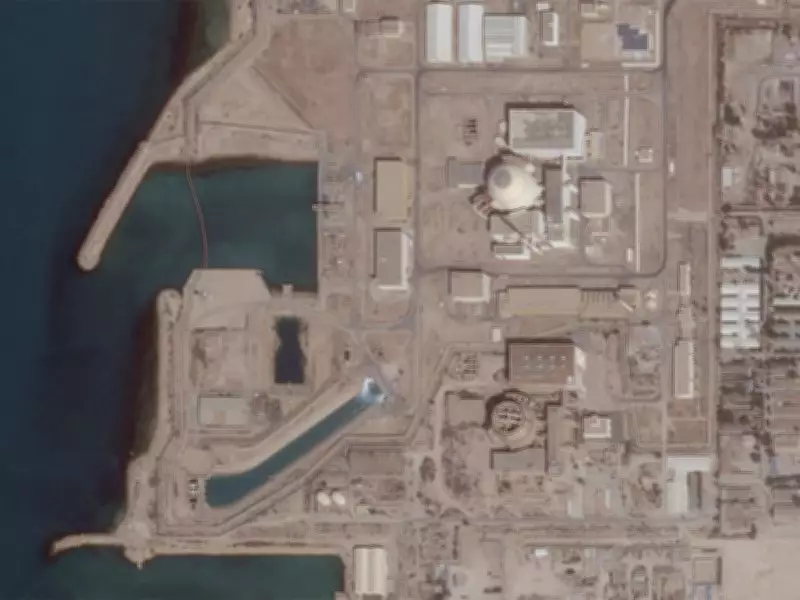
Israeli fighter jets have conducted a strike on a gas facility located in Bushehr, Iran, as reported by Al Jazeera. In response, Iran has issued a stern warning, declaring its intention to target "enemy infrastructure" in retaliation for the attacks on its gas sites, which occurred on Wednesday.
Escalating Military Actions and Retaliatory Strikes
Simultaneously, Iran's Islamic Revolution Guards Corps (IRGC) announced on Wednesday that it had launched strikes on more than 100 targets in the city of Tel Aviv. This action is part of the ongoing retaliatory campaign known as Operation True Promise 4, specifically marking its 61st wave. The IRGC stated that these hostile objects were targeted using advanced weaponry, including multi-warhead Khorramshahr-4 and Qadr missiles, as well as Emad and Kheibar Shekan projectiles.
According to the IRGC, Operation True Promise 4 has resulted in the death or injury of over 230 Zionists so far, highlighting the intensifying conflict in the region.

Funeral Ceremonies for Fallen Officials and Sailors
Meanwhile, Iran is holding funeral ceremonies in Tehran for several key figures. The services are for Ali Larijani, Iran's former top security official, and Major General Gholamreza Soleimani, head of the Basij forces, as confirmed by Iranian state media Press TV. Additionally, funerals are being conducted for the slain sailors of the Iranian naval vessel IRIS Dena, underscoring the nation's mourning over these significant losses.
The ceremony in Tehran symbolizes a period of national grief as the country copes with the deaths of top officials and military personnel.
Iranian Leadership Asserts Resilience Amidst Conflict
In a statement addressing the situation, Iranian Foreign Minister Abbas Araghchi emphasized the strength and stability of Iran's political infrastructure. He asserted that the system remains a "very solid structure" and will not suffer a "fatal blow to Iran's leadership" despite the confirmed killing of Ali Larijani. Araghchi highlighted that the presence or absence of any single individual does not fundamentally affect this robust framework.
Araghchi pointed to the earlier loss of former supreme leader Ayatollah Ali Khamenei, who was killed during initial US-Israeli strikes on February 28, as evidence of the system's continuity and resilience.
Iran Denies Responsibility for Regional Escalation
Furthermore, Foreign Minister Araghchi reiterated that Iran did not initiate the escalating conflict across the region. He stated, "This war is not our war. We did not start it. The United States started it and is responsible for all the consequences of this war—human and financial—whether for Iran, for the region, or for the entire world." Araghchi called for the United States to be held accountable for the ongoing hostilities and their widespread impacts.
This stance underscores Iran's position as a reactive party in the current tensions, shifting blame onto external actors for the turmoil.






