Iran Issues Ultimatum to US Warship in Strait of Hormuz as Trump Pledges to Reopen Waterway
In a tense escalation of maritime tensions, Iranian state television has reported that a senior Iranian military official issued a stark warning to a US military vessel in the Strait of Hormuz. The official threatened an attack "within 30 minutes" if the vessel crossed the strategic waterway. According to the report, the US vessel subsequently retreated after the warning was conveyed, highlighting the volatile situation in the region.
Trump Announces US Efforts to Secure Global Oil Supplies
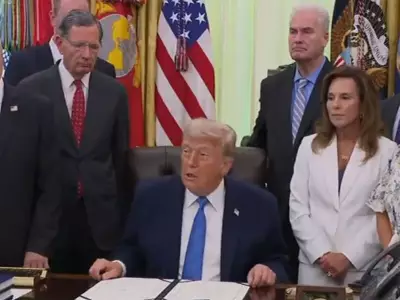
US President Donald Trump responded by declaring that the United States has initiated efforts to clear the Strait of Hormuz, aiming to ensure the free flow of global oil supplies. He characterized this move as a "favor to countries all over the world," while criticizing other nations for lacking the "courage or will" to undertake the task themselves. Trump noted that empty oil tankers from several countries were heading to the United States to load crude, underscoring the international reliance on this key maritime route.
Earlier, Trump had asserted that the Strait of Hormuz would reopen "fairly soon" with or without Iran's assistance, as Tehran's effective blockade continues to disrupt global energy supplies. He added that the United States would "open up the Gulf," mentioning that other countries were also ready to "help out." This statement comes amid ongoing peace talks between the US and Iran in Pakistan, as reported by Bloomberg.

Surge in Tanker Traffic Amid Ceasefire
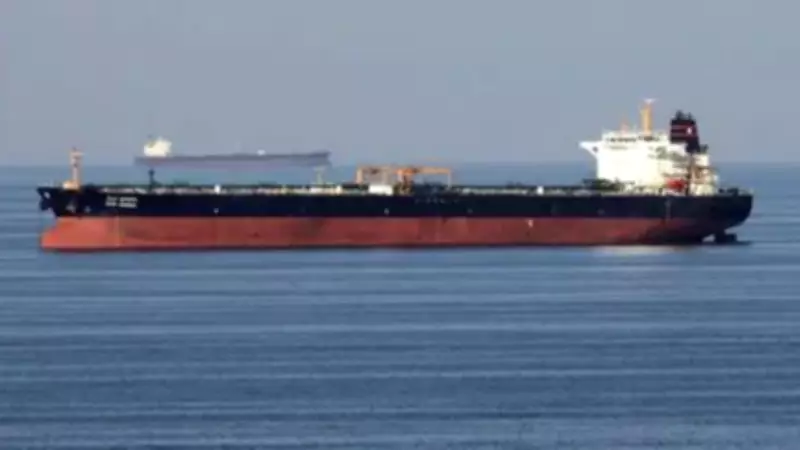
The development follows a temporary two-week ceasefire announced by Washington and Tehran, halting a month-long conflict in the Middle East. Despite the tensions, there has been a notable increase in tanker movement through the strait. On Saturday, a Greek vessel transited the Strait of Hormuz, followed hours later by two Chinese supertankers passing through the narrow chokepoint. Bloomberg reported that this surge marked the biggest day of oil shipments through the strait since the conflict began.
Importantly, none of the vessels transiting the Strait of Hormuz is carrying Iranian oil or has direct links to Iran, even though most crude shipments from the region since the conflict started have originated from the Islamic Republic. The three tankers involved have a combined capacity of approximately 6 million barrels of crude. However, overall oil flows remain significantly below peacetime levels, roughly half the normal shipment rate for a single day.
Indian Vessel Makes First Transit Since Ceasefire
In a related development, the India-flagged LPG tanker Jag Vikram crossed the strait, marking the first transit by an Indian vessel since the ceasefire was announced. This is significant given that at least 28 India-flagged vessels were in the Strait of Hormuz region when the West Asia conflict broke out, including 24 on the western side and four on the eastern side.
Shipping tracking data reveals a stark contrast in vessel activity since the ceasefire began. According to Al Jazeera, only 22 vessels with their automatic identification systems turned on have exited the Strait of Hormuz, compared with around 135 daily transits before the war. This indicates ongoing disruptions despite the temporary peace.
Furthermore, Lloyd’s List Intelligence reports that more than 600 ships, including 325 tankers, remain stranded in the Gulf, underscoring the lingering impact of the conflict on global shipping and energy markets.