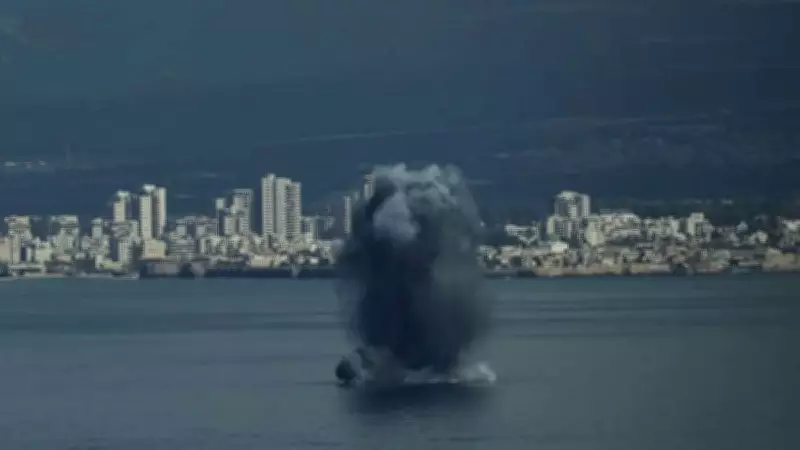
Iranian Forces Target Oil Tanker Near Oman, 15 Indian Crew Members On Board
In a significant escalation of maritime tensions, Iranian forces have reportedly targeted an oil tanker in the Gulf of Oman, near the coast of Oman. The vessel, which was carrying a substantial cargo of crude oil, had 15 Indian crew members on board at the time of the incident. This event has sent shockwaves through the global shipping community and raised serious concerns about the safety of commercial vessels in this strategically vital region.
Details of the Maritime Incident
The attack occurred in international waters, approximately 50 nautical miles off the coast of Oman, a key transit point for oil shipments from the Middle East to global markets. According to initial reports, the tanker was en route from a Gulf port to an Asian destination when it was intercepted by Iranian naval units. The crew, all Indian nationals, are reported to be safe, but the vessel sustained minor damage from what appears to have been a warning shot or a deliberate attempt to disable it.
This incident underscores the volatile security environment in the Gulf of Oman, a chokepoint through which nearly a fifth of the world's oil passes. Maritime experts have long warned about the risks of such confrontations, given the ongoing geopolitical rivalries in the region, particularly involving Iran and Western powers.

Implications for Global Shipping and Indian Nationals
The presence of 15 Indian crew members on the targeted tanker has drawn immediate attention from Indian authorities. The Indian government is closely monitoring the situation and has initiated diplomatic channels to ensure the safety and well-being of its citizens. This event highlights the vulnerabilities faced by Indian seafarers, who constitute a significant portion of the global maritime workforce, often operating in high-risk areas.
The targeting of commercial vessels in this manner not only threatens lives but also disrupts global trade flows, potentially leading to increased insurance costs and rerouting of shipments. In recent years, similar incidents have prompted international naval patrols and heightened surveillance in the region, yet security challenges persist.
Regional and International Reactions
Iran has not officially commented on the incident, but such actions are often linked to its broader strategic objectives, including responses to sanctions and regional disputes. Oman, as a neutral party in the area, is likely to play a mediating role, given its history of facilitating dialogue in Gulf conflicts. The international community, including major oil-importing nations, is expected to condemn the attack and call for restraint to prevent further escalation.
This development comes amid ongoing tensions in the Middle East, where maritime security has become a flashpoint. Analysts suggest that such incidents could have ripple effects on global oil prices and diplomatic relations, underscoring the need for enhanced cooperation to safeguard shipping lanes.
As investigations continue, the focus remains on the safety of the Indian crew and the broader implications for maritime security in one of the world's most critical waterways.