

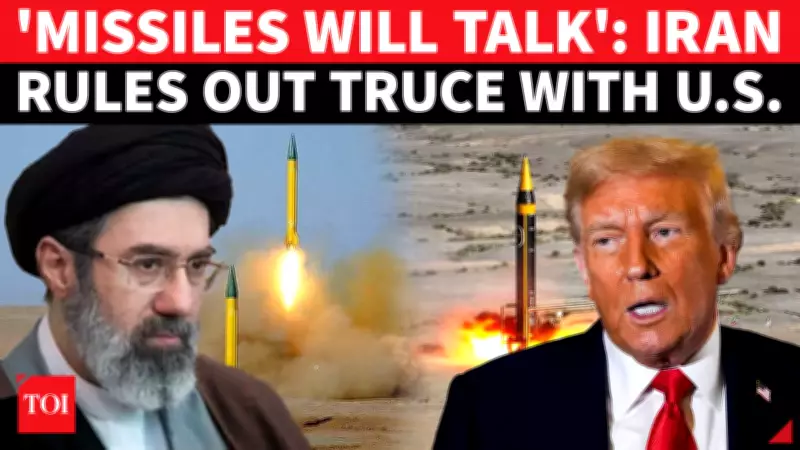
Iran Firmly Rejects Ceasefire Proposals, Threatens Military Response
In a significant escalation of tensions in the Middle East, Iran has officially declared its refusal to engage in ceasefire negotiations with the United States and Israel. The Islamic Republic has instead signaled its readiness to continue and potentially intensify military attacks against American and Israeli installations throughout the region.
Diplomatic Channels Closed as Tehran Takes Hardline Stance
Iranian Foreign Minister Seyed Abbas Araghchi delivered a stark message during an interview with PBS News, explicitly stating that negotiations with Washington D.C. are "no longer on the agenda." This definitive closure of diplomatic avenues represents a hardening of Iran's position amid ongoing regional hostilities.
Earlier statements from Iranian Deputy Foreign Minister Kazem Gharibabadi revealed that Tehran has rejected truce appeals from multiple influential nations, including:

- France
- Russia
- China
This rejection of international mediation efforts underscores Iran's determination to pursue its military objectives despite growing diplomatic pressure.
Trump Administration's Truce Signals Met With Defiance
The Iranian declarations come as former President Donald Trump has reportedly signaled interest in pursuing a truce arrangement. However, Tehran's response has been unequivocally defiant, with officials emphasizing that "missiles will speak" rather than diplomats in any future engagements with adversaries.
This rhetoric suggests Iran is preparing for continued or expanded military operations rather than seeking de-escalation through traditional diplomatic means. The country's leadership appears committed to maintaining offensive capabilities and demonstrating military strength as its primary foreign policy tool in the current conflict.
Regional Implications and Escalating Tensions
The Iranian position has significant implications for regional stability and international relations. By rejecting ceasefire proposals from both Western powers and traditional allies like Russia and China, Iran is charting an independent course that prioritizes military confrontation over diplomatic resolution.
This development occurs against a backdrop of:
- Ongoing attacks on military installations
- Heightened rhetoric from all involved parties
- Increasing international concern about regional escalation
The situation remains fluid, with the potential for further military engagements as Iran maintains its rejection of ceasefire overtures and prepares for what it describes as decisive action through military means.






