Iran Accelerates War Preparations While Engaging in Nuclear Diplomacy
As American warships gather in the Middle East and negotiations advance slowly in Geneva, Iran's leadership is exhibiting behavior less characteristic of a government seeking compromise and more akin to one bracing for imminent conflict. This dual-track approach highlights a regime that anticipates war, even as it maintains a foothold in diplomatic efforts.
Diplomatic Efforts Amid Military Buildup
US President Donald Trump issued a stark warning on Monday, stating that failure to reach a nuclear deal would result in "a very bad day for that Country and, very sadly, its people." This message resonates in Tehran against a backdrop of a US military buildup described by officials and analysts as increasingly prepared for strikes. Concurrently, Iran is implementing measures to absorb potential blows, retaliate swiftly, and ensure the Islamic Republic's endurance, even if top leaders are eliminated.
The diplomatic channel remains active, with Oman's foreign minister confirming that US-Iran talks are scheduled for Thursday in Geneva. However, significant divisions persist over uranium enrichment, sanctions relief, and whether discussions should expand to include missiles and Iran's support for regional armed groups.

Military Posture and Strategic Paradox
Parallel to diplomatic efforts, military preparations are accelerating. Reuters reports that US planning has reached an "advanced stage," encompassing options that could target individuals and even pursue leadership change if ordered by Trump. In response, Iran has warned that US bases would be legitimate targets in the event of an attack, repositioning forces and tightening internal controls to prepare for the collapse of diplomacy.
This situation presents a central paradox: Tehran is negotiating while simultaneously preparing as if the negotiating table is largely theatrical—a mechanism to manage timing, narrative, and readiness before potential hostilities.
Regime Survival at Stake
Iran's leaders appear convinced that the regime's survival is in jeopardy, believing that accepting unfavorable terms could be as catastrophic as losing a war. According to The Wall Street Journal, Tehran is dispersing decision-making authority, fortifying nuclear sites, and intensifying crackdowns on dissent, driven by fears of decapitation strikes and domestic upheaval if conflict erupts.
Farzan Sabet of the Geneva Graduate Institute warns, "Iran is facing its worst military threat since 1988," with efforts focused on protecting nuclear facilities and leadership from being neutralized in initial attacks.
Leadership Continuity Under Fire
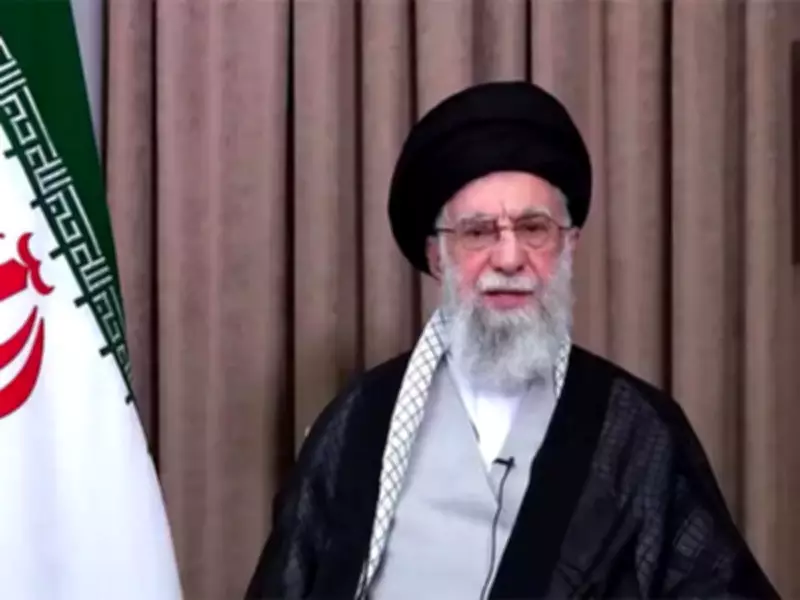
The New York Times details a leadership architecture designed for continuity during crises, reporting that Supreme Leader Ayatollah Ali Khamenei has entrusted Ali Larijani, head of the Supreme National Security Council, with managing crisis governance. Larijani's responsibilities include suppressing unrest, coordinating with foreign partners, overseeing nuclear negotiations, and planning for war. Khamenei has instructed senior officials to establish "four layers of succession" across key roles and delegate authority to a trusted circle in case communications are severed or he is killed.
This is not standard peacetime bureaucracy but wartime succession planning, reflecting deep mistrust of Trump's intentions. Vali Nasr, in the Financial Times, argues that Tehran views negotiations as a potential trap leading to disarmament without guarantees, fearing a "quick collapse or a slow death" if deterrence is stripped away.
Threefold Preparation Strategy
Iran's conflict preparation revolves around three primary objectives: preventing leadership decapitation, maintaining retaliatory capabilities, and controlling domestic unrest.
Preventing Decapitation
The June strikes last year, a 12-day campaign involving Israel and the US, are viewed internally as a lesson in vulnerability. The Times reports that Israel's surprise attack disrupted Iran's senior military command chain early on, prompting Tehran to redesign authority flow during crises. The Islamic Revolutionary Guard Corps is reviving its "mosaic defense" approach, granting commanders greater autonomy to issue orders, ensuring operational continuity if senior leaders or communications are compromised.

Retaliatory Capabilities
Iran's deterrence strategy relies on missiles, maritime disruption, and regional influence rather than airpower. The country has conducted live-fire drills in the Strait of Hormuz and signaled that regional "bases, facilities, and assets" would be targeted if attacked, as echoed in a letter to the UN cited by Reuters. Iranian naval deployments and surveillance around Hormuz, along with cruise missile launches from trucks and boats, serve as warnings to global oil markets and US interests.
The Times notes that Iran has positioned ballistic missile launchers near its western border with Iraq, within striking distance of Israel, and along southern Gulf shores, targeting US bases. Khamenei's rhetoric reinforces this deterrence, with threats to sink US warships and deliver a "slap" that could incapacitate the world's most powerful military.
Domestic Security Measures
Iran's war readiness extends inward, with a focus on domestic security amid rising unrest. Recent student protests at universities like Sharif and Tehran, featuring chants of "women, life, freedom" and calls for Khamenei's overthrow, are perceived as part of the battlefield. The Wall Street Journal reports expanded monitoring, arrests, and intimidation by security forces to preempt mass uprisings if the country is attacked, with rights groups citing tens of thousands of arrests and thousands of deaths.
Converging Dynamics Hardening Iran's Posture
Four key dynamics are pushing Iran toward a "ready for war" stance despite ongoing talks:
- Trump's Impatience vs. Iran's Bargaining: Foreign Policy highlights a "velocity gap," with Trump seeking quick wins and Tehran potentially misreading US tolerance for prolonged negotiations.
- Existential Deal Terms: Reuters reports friction over US demands to end enrichment inside Iran, which Tehran views as a right for peaceful purposes, with expanded demands on missiles and proxies increasing vulnerability.
- Perceived Deterrence Success: Iran interprets the 12-day war as not a total defeat, fostering confidence that prolonged conflict could pressure the US through energy and regional stability strains.
- Continuity Mechanisms: The Times' reporting on layered succession indicates Iran expects assassination risks and communications disruptions, preparing for shock scenarios.
Potential Paths Forward
Three near-term scenarios are emerging, none offering stability:
- Narrow Nuclear Deal: Reuters suggests Iran might send half its highly enriched uranium abroad and dilute the rest in exchange for sanctions relief, allowing both sides to claim victory.
- Limited Strikes: US planning includes options for targeting individuals, with AP noting the buildup enhances Trump's ability to strike coercively, though risks backfiring and escalating conflict.
- Wider War: Iran's warnings about targeting US bases raise prospects of regional spillover, with Israel preparing for missile responses and Prime Minister Benjamin Netanyahu vowing a severe retaliation.
The bottom line: Iran's leadership increasingly doubts the feasibility of negotiating a way out, prompting efforts to build a state capable of surviving initial attacks, retaliating effectively, and maintaining domestic control through potential crises.