Iran Launches Missile Strikes on US-Linked Defense Radars in Jordan and UAE
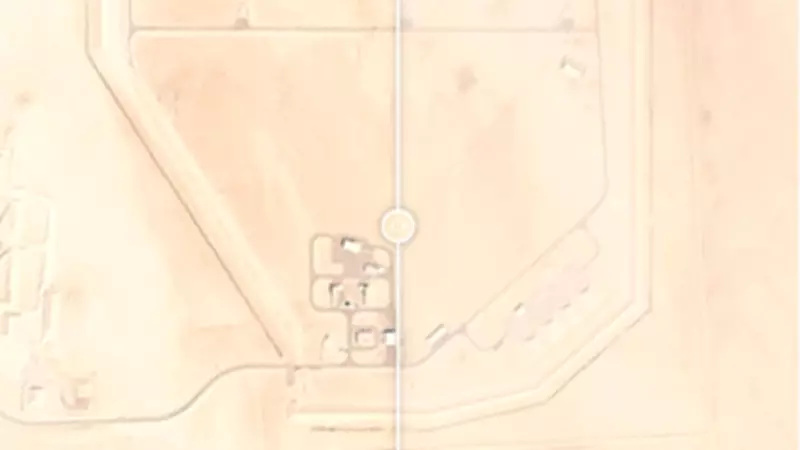
In a significant escalation of regional tensions, Iran has conducted missile attacks targeting US-linked missile defense radars in Jordan and the United Arab Emirates (UAE). Satellite images captured and analyzed in early March 2026 provide concrete visual evidence of these strikes, confirming the extent of the damage and the strategic nature of the operations. This development marks a bold move by Iran, directly challenging US military assets and alliances in the Middle East, and raising concerns about potential retaliatory actions and broader conflict implications.
Satellite Imagery Reveals Extensive Damage to Radar Installations
The satellite images, which have been widely circulated and verified by independent analysts, show clear signs of impact and destruction at key radar sites in both Jordan and the UAE. These installations are part of advanced missile defense systems that are closely associated with US military support and technology. The strikes appear to have been precision-targeted, aiming to degrade the radar capabilities that are crucial for detecting and intercepting incoming threats, such as ballistic missiles or drones. This tactical approach suggests a calculated effort by Iran to undermine regional defense networks and assert its military prowess in the face of ongoing geopolitical rivalries.
Strategic Implications for US Alliances and Regional Security
The attacks on US-linked radars in Jordan and the UAE carry profound strategic implications for regional security dynamics. Jordan, a key US ally in the Middle East, hosts several military bases and defense systems that are integral to American operations in the area. Similarly, the UAE has strengthened its defense ties with the US in recent years, including through the deployment of advanced radar technology. By targeting these assets, Iran is sending a clear message about its willingness to confront US influence directly, potentially destabilizing alliances and prompting a reevaluation of defense postures. Experts warn that this could lead to an increased militarization of the region, with both sides bolstering their capabilities in response.

Background and Context of Escalating Tensions
This incident occurs against a backdrop of heightened tensions between Iran and the US, fueled by longstanding disputes over nuclear programs, regional proxy conflicts, and economic sanctions. In recent years, Iran has expanded its missile and drone capabilities, conducting similar strikes on targets in neighboring countries as part of its broader strategy to project power. The use of satellite imagery to document these attacks highlights the growing role of technology in modern warfare, allowing for real-time monitoring and verification of military actions. Analysts note that such transparency can both deter and provoke further escalations, as parties become more aware of each other's moves.
Potential Consequences and International Reactions
The missile strikes are likely to draw strong international reactions, particularly from the US and its allies, who may consider diplomatic or military responses. The United Nations and other global bodies are expected to call for de-escalation, but the effectiveness of such appeals remains uncertain given the deep-seated animosities involved. In the short term, this could lead to increased patrols, sanctions, or even covert operations, while in the long term, it might reshape defense strategies across the Middle East. For Jordan and the UAE, the attacks underscore vulnerabilities in their security infrastructures, prompting potential upgrades and closer coordination with international partners.
As the situation unfolds, the satellite images serve as a stark reminder of the volatile nature of Middle Eastern geopolitics, where military actions can quickly alter the balance of power. Observers are closely watching for any follow-up developments, including possible retaliatory strikes or diplomatic maneuvers, which could determine the trajectory of regional stability in the coming months.