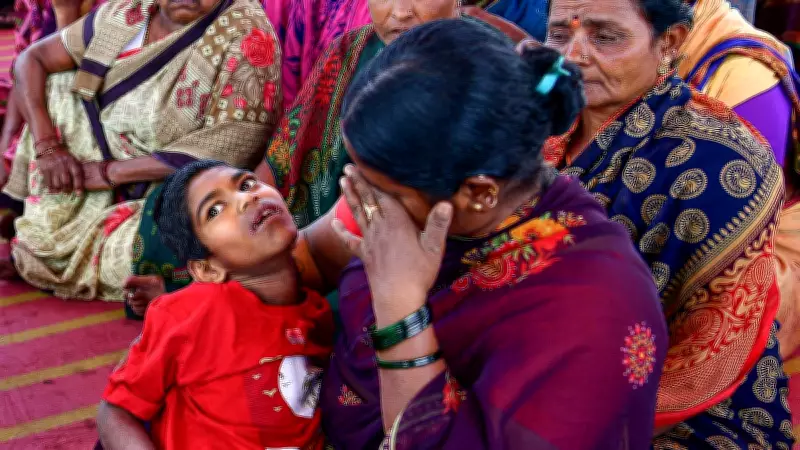
Industrial Pollution Chokes Karnataka's Koppal Village, Residents Demand Urgent Action
The serene landscape of a village in Karnataka's Koppal district has been transformed into a zone of distress, as industrial pollution from nearby factories severely impacts the health and environment of local residents. This crisis highlights growing concerns over industrial oversight in rural India.
Health and Environmental Toll on Village Community
Villagers report a range of alarming health problems, including respiratory issues, skin diseases, and eye irritations, which they directly attribute to pollutants released by industries operating in the vicinity. The air quality has deteriorated significantly, with visible emissions and foul odors becoming a daily nuisance. Additionally, water sources have been contaminated, affecting agriculture and drinking water supplies, thereby threatening livelihoods and food security.
Local authorities have been criticized for their slow and insufficient response, with residents accusing them of neglecting environmental regulations and failing to enforce compliance among polluting industries. Community protests and petitions have escalated, demanding immediate intervention to mitigate the pollution and hold responsible parties accountable.

Broader Implications for Industrial Regulation in Karnataka
This incident underscores systemic issues in Karnataka's industrial regulation, where rapid industrialization often outpaces environmental safeguards. Similar cases have been reported in other parts of the state, raising questions about the balance between economic development and ecological preservation. Experts warn that without stricter enforcement and community engagement, such environmental crises could become more frequent and severe.
The situation in Koppal serves as a stark reminder of the urgent need for robust environmental policies and proactive governance. It calls for enhanced monitoring of industrial activities, better waste management practices, and inclusive decision-making processes that prioritize public health and sustainability.
As the village grapples with this ongoing crisis, the hope is that sustained pressure from residents and environmental advocates will spur meaningful action from both state and central authorities, ensuring a healthier future for affected communities.