

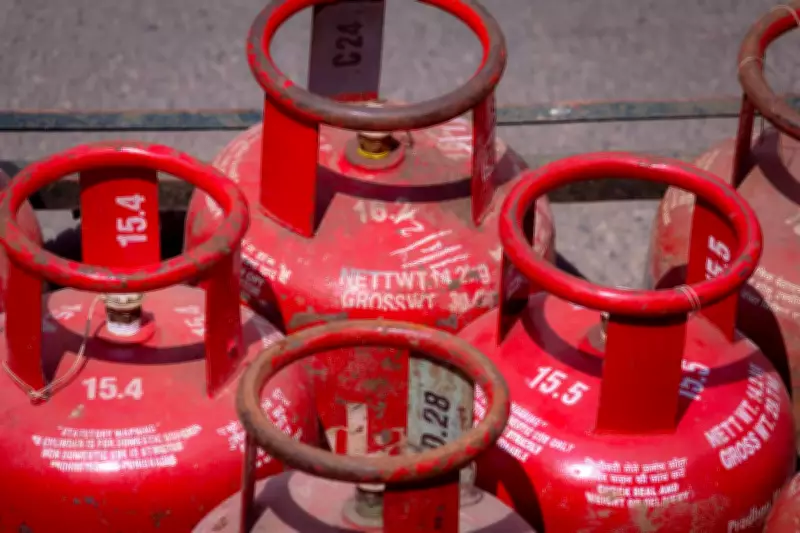
Middle East Crisis Sparks LPG Supply Disruption, Straining India's Food Industry
The ongoing crisis in the Middle East has escalated tensions, leading to significant operational challenges for India's food services sector. As LPG supply flows are disrupted due to transit issues in the Strait of Hormuz, industry experts warn of severe consequences, including layoffs, salary reductions, and widespread business impacts if the situation persists.
Government Assurances Fall Short as Supply Inconsistencies Persist
Despite government promises to enhance availability, restaurant owners and caterers report inconsistent access to commercial LPG, forcing many to scramble to maintain operations. The situation remains unpredictable, with little clarity on when normal supply will resume. Anjan Chatterjee, founder of Speciality Restaurants, highlighted the growing distress, stating that people are running from pillar to post in search of solutions.
Chatterjee emphasized, "If restaurants and eateries are unable to do business, the first ones to get hit will be people down below." This underscores the vulnerability of workers at the lower end of the chain, who face immediate risks from operational shutdowns.

Smaller Players Bear the Brunt of the Crisis
Smaller restaurants, street-side eateries, caterers, and cloud kitchens are among the worst affected, with many already closing or scaling down operations. Kirit Budhdev of the Federation of All India Caterers noted worsening delays, with suppliers advising waits of up to 15 days. The on-ground situation is described as very challenging and deteriorating for many members.
In Pune, Ganesh Shetty reported that agencies prioritize sectors like hospitals over restaurants, leading to shutdowns among smaller establishments. Similarly, street food vendors in Madhya Pradesh, particularly pani puri stalls, face mounting pressure as commercial gas cylinder shortages disrupt operations in key markets such as Kolar and Jawahar Chowk.
Financial Strain and Risk of Layoffs Intensify
The LPG shortage is hitting profitability, menus, and operating hours across the sector. Sagar Daryani of the National Restaurant Association of India warned that smaller players unable to bear losses may implement job cuts, while larger entities could face prolonged brunt. Aditya Narayan Mishra of CIEL HR explained that reduced operations lead to fewer employment opportunities for helpers and delivery boys, who typically earn Rs 500-700 daily, impacting a large segment of the workforce.
Rashmi Daga of FreshMenu highlighted the uncertainty, stating, "One can't even plan for perishables without knowing if gas is available the next day." She added that the industry braces for 40-60 days of pain, with potential for extended disruptions forcing worker layoffs.
Exploring Alternatives Amid Prolonged Disruption
In response to the crisis, some businesses are turning to alternatives like firewood cooking, induction, and electric stoves. However, Daga cautioned that transitioning to electric equipment is challenging, especially during summer months with frequent power cuts. Interestingly, villages like Bandarkol in Jabalpur district and Baghuwar in Narsinghpur remain unaffected by using biogas from cattle dung, showcasing a sustainable alternative to LPG.
Uncertain Outlook and Calls for Government Intervention
Industry stakeholders describe the situation as volatile, with no clear timeline for recovery. While there has been slight easing compared to earlier days, supply gaps persist, and businesses operate under uncertainty. The All Assam Restaurant Association has appealed to Chief Minister Himanta Biswa Sarma for urgent intervention, warning that continued shortages could force statewide restaurant and hotel closures.
Chatterjee reiterated, "While we hope supplies improve soon, currently, the situation is dynamic and we don't know how things will pan out." This sentiment echoes across the sector as it navigates the escalating commercial LPG crisis triggered by Middle East tensions.






