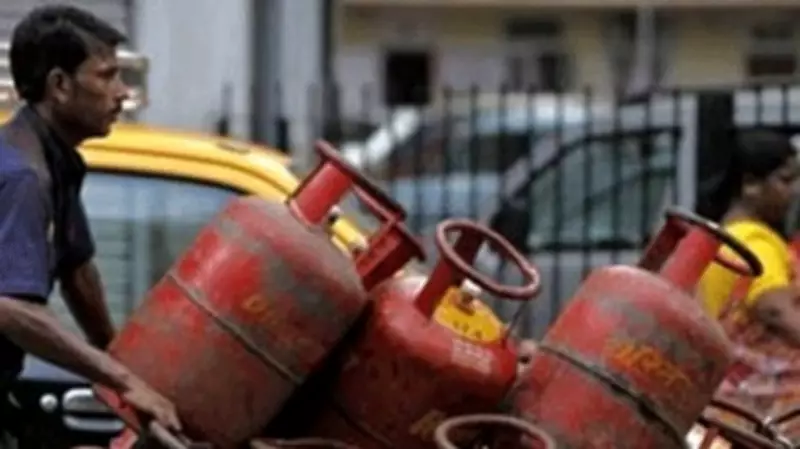
Government Directs Refineries to Ramp Up LPG Output Amid Global Tensions
In response to escalating tensions in West Asia and emerging reports of potential shortages, the Indian government has issued a directive to refineries across the country to significantly boost their production of liquefied petroleum gas (LPG). This move aims to safeguard domestic supply chains and ensure uninterrupted availability for households and industries, as global uncertainties threaten to disrupt energy markets.
Addressing Domestic Concerns and Global Instability
The order comes amid growing concerns over supply disruptions linked to the ongoing conflict in West Asia, a region critical to global energy exports. Reports have indicated a possible shortage of LPG in the domestic market, driven by increased demand and logistical challenges. By increasing production, the government seeks to mitigate these risks and maintain price stability, preventing any adverse impact on consumers and the economy.
Key measures include:

- Enhancing operational capacities at major refineries to maximize LPG output.
- Coordinating with state-owned and private sector players to streamline distribution.
- Monitoring international market trends to adjust strategies as needed.
Implications for Energy Security and Consumer Welfare
This proactive step underscores India's commitment to energy security amid volatile global conditions. LPG is a vital fuel for cooking and heating in millions of Indian homes, making its steady supply crucial for public welfare. The government's intervention is expected to cushion the market from external shocks, ensuring that households do not face scarcity or price hikes during this period of uncertainty.
Experts note that while the conflict in West Asia poses challenges, India's diversified energy sources and strategic reserves provide a buffer. However, the increased production is seen as a precautionary measure to avoid any supply gaps.
As the situation evolves, authorities will continue to assess demand patterns and global developments, with a focus on maintaining a robust domestic supply chain. This move aligns with broader efforts to enhance self-reliance in critical sectors and protect national interests against external disruptions.