From Rustic Home to Unrecognizable City: A Personal Journey
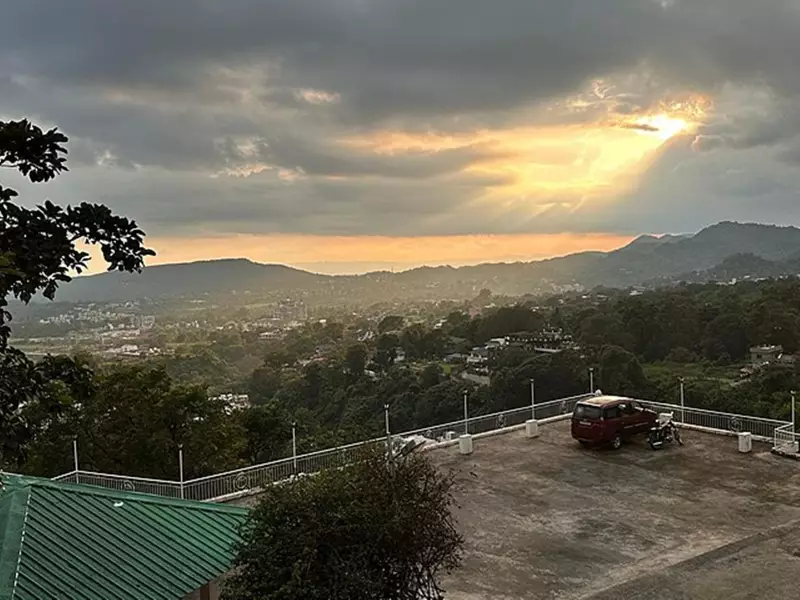
For Alind Chauhan, a senior correspondent, the city of Dehradun was more than just another address in a childhood marked by constant movement. Despite living in thirteen houses across eight colonies in seven cities, he found a sense of home in the four years he spent there as a teenager. The city's rustic charm, defined by deodar-covered hills, lush orchards, and the sweet scent of flowers, offered a permanent anchor in a life of transience.
His memories are vivid: pleasant summers with gentle post-afternoon showers, dramatic monsoons that painted the landscape green, and winters that draped the nearby hills in snow. After school, he and his friends would cycle to nearby forests, walk through tall trees to a secluded causeway, and spend hours talking—a simplicity untouched by mobile phones or the internet. He would return home after sunset, gazing at the distant, firefly-like lights of Mussoorie floating in the night sky.
The Inevitable Wave of "Development" and Overtourism
Even after moving to Delhi-NCR for undergraduate studies, Chauhan frequently escaped the metropolis's noise, traffic, and urgency by rushing back to Dehradun on weekends. The city's calm was his refuge. However, this began to change. The transformation was gradual but relentless.

First came the fancy cafes, then the tall apartments, followed by new colonies, expanded roads, shopping malls, and numerous flyovers. The physical landscape altered irrevocably. Dust began to subdue the floral scents. Housing projects replaced forests. New buildings obstructed the cherished view of Mussoorie's lights.
The final blow to its secluded charm came with the age of social media. Previously hidden gems—like the panoramic city viewpoint or the spot by a quiet stream—were exposed by Instagram influencers. They were branded as "Must Visit Places," attracting hordes of tourists. There was no off-season anymore. These once-pristine locations soon became littered with broken beer bottles, cigarette butts, and empty chips packets. The natural symphony of rustling leaves and chirping birds was drowned out by blaring music and constant honking.
A Changing Climate and a Tragic Reckoning
Parallel to this urban sprawl was a shift in the very climate that defined the region. Summers turned brutally hot and muggy, losing their characteristic cooling showers. Rains became erratic and more intense, while winter snowfall grew inconsistent. These environmental alterations set the stage for a catastrophe.
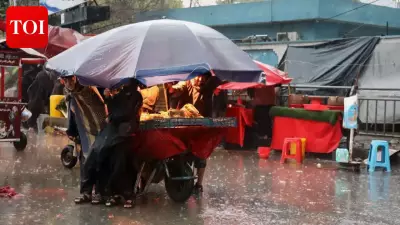
In September 2025, a devastating cloudburst triggered flash floods and landslides in Dehradun. The extreme weather event wreaked havoc, submerging areas like Sahastradhara and the IT Park. The aftermath was severe: more than 23 roads were blocked, bridges were damaged, at least 13 people lost their lives, and 16 others were reported missing.
For Chauhan, Dehradun now embodies the Ship of Theseus paradox. It occupies the same space on the map, with places bearing the same names and roads leading to Mussoorie. Yet, its essence has been replaced. The city he once called home exists now only in memory, its tranquil spirit overtaken by unplanned growth, overtourism, and the stark realities of a changing environment. The question remains: when every part has been replaced or altered, is it still the same city?