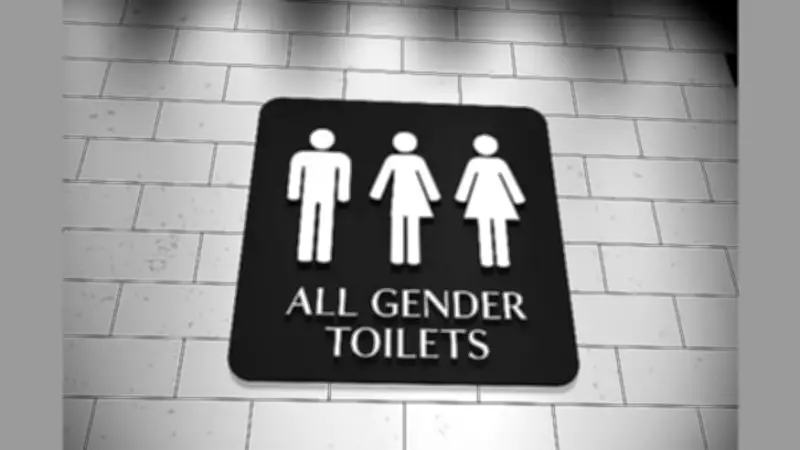
Extreme heat exposure creates a multiplier effect on the vulnerability of transgender communities, making them more prone to heat-related illnesses. This heightened risk is primarily due to the lack of gender-neutral washrooms, which forces trans individuals to either confront violence and gender dysphoria daily or risk disease. Prathiksha Ullal, in a recent opinion piece, highlights the intersection of climate change and identity-based discrimination.
The Multiplier Effect of Extreme Heat
As global temperatures rise, extreme heat events become more frequent and intense. For transgender people, the impact is compounded by social and infrastructural barriers. Without access to safe and inclusive public facilities, they face increased exposure to heat and dehydration.
Lack of Gender-Neutral Washrooms
The absence of gender-neutral washrooms is a critical issue. Trans individuals often avoid using public restrooms due to fear of harassment or violence. This leads to reduced fluid intake and prolonged time in the heat, raising the risk of heatstroke and other heat-related conditions.

Daily Struggles and Health Risks
Confronting violence and gender dysphoria on a daily basis takes a toll on mental and physical health. The stress of navigating unsafe environments exacerbates the effects of heat exposure, creating a vicious cycle of vulnerability.
Addressing this double crisis requires urgent action. Policymakers must prioritize inclusive infrastructure, such as gender-neutral washrooms, and integrate transgender-specific needs into climate adaptation plans. Only then can we mitigate the disproportionate impact of extreme heat on marginalized communities.