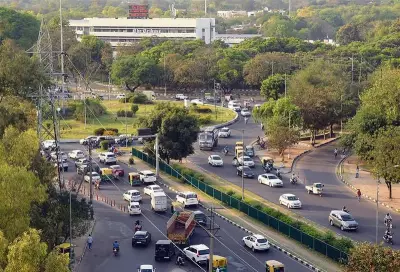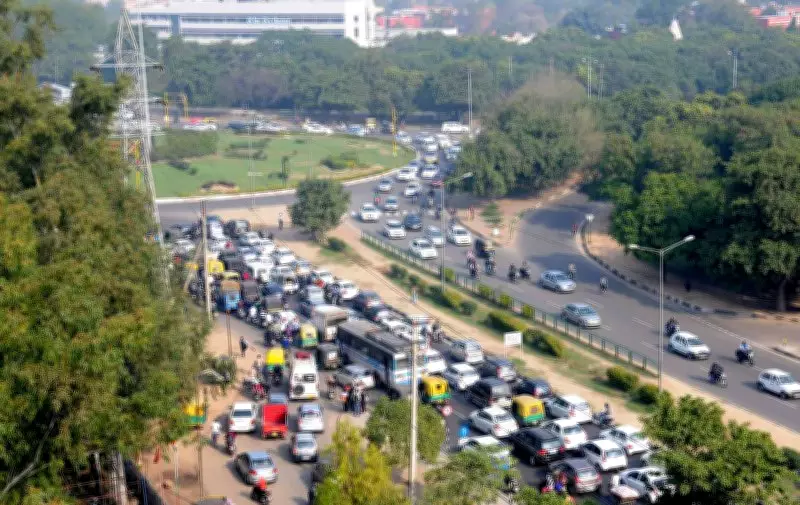
The ambitious Tribune Chowk flyover project in Chandigarh has hit a significant roadblock as the Punjab and Haryana High Court has ordered a stay on tree felling at the site. This decision comes in response to a public interest litigation that raised environmental concerns over the proposed removal of trees for the construction of the flyover.
High Court's Intervention
The High Court bench, while hearing the matter, expressed serious concerns about the environmental impact of the project. The court directed the Chandigarh administration to conduct a thorough tree census and submit a detailed report before proceeding with any further felling. The stay will remain in effect until the court passes further orders.
Environmental Concerns
The petitioner argued that the flyover project would lead to the felling of over 200 fully grown trees, which are essential for maintaining the city's green cover and ecological balance. The court noted that Chandigarh, known as the 'City Beautiful,' must preserve its greenery and that any development should be balanced with environmental sustainability.

Project Details
The Tribune Chowk flyover is a crucial infrastructure project aimed at decongesting one of the busiest intersections in Chandigarh. The project involves constructing a 1.5-kilometer-long flyover at an estimated cost of over Rs 200 crore. It is part of the city's broader plan to improve traffic flow and reduce travel time for commuters.
Reactions and Next Steps
Environmental activists have welcomed the court's decision, calling it a victory for the city's green cover. They have urged the administration to explore alternative designs that minimize tree felling. On the other hand, commuters and some local residents have expressed disappointment, fearing that the delay will prolong traffic congestion in the area.
The Chandigarh administration has been asked to file its response within four weeks. The next hearing is scheduled for next month, where the court will review the tree census report and decide on the future course of action. The administration has assured that it will comply with the court's orders and is exploring ways to transplant some of the trees instead of cutting them down.
Broader Implications
This case highlights the growing tension between urban development and environmental conservation in Indian cities. Similar disputes have arisen in other cities, where infrastructure projects have been challenged on environmental grounds. The outcome of this case could set a precedent for how such conflicts are resolved in the future, emphasizing the need for sustainable urban planning.