A prominent citizens' group in Gurgaon has escalated its fight against the city's severe air pollution crisis by formally presenting a comprehensive dust control plan to the municipal authorities. The action comes as residents continue to grapple with hazardous air quality levels, with dust identified as a primary culprit.
Citizens' Campaign Gains Momentum with Concrete Demands
On Sunday, the group Making Model Gurugram (MMG) submitted a detailed 15-point charter to MCG commissioner Pradeep Dahiya. This submission was the culmination of a sustained campaign that began with a New Year's Eve fast by convener Gauri Sarin. The movement has now grown to include over 550 members.
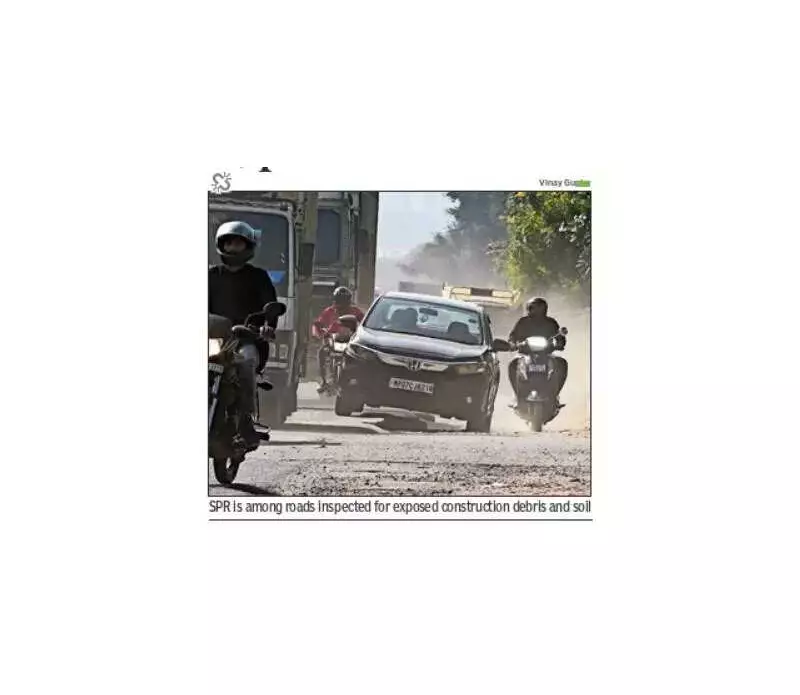
The charter is based on findings from a joint inspection conducted on Saturday along major dust-affected stretches like Golf Course Extension Road, Southern Peripheral Road, Hamilton Road, and Vyapar Kendra. MMG has identified over 25 dust hotspots across the city and is demanding strict enforcement against contractors who leave construction debris and soil exposed.

"This is not a one-off campaign. We will sustain pressure, track action on our charter and meet the chief minister and state environment minister this month," asserted Gauri Sarin. The group's demands include:
- Strict coverage of all roadside construction sites and immediate removal of excess soil.
- Fines for defaulting contractors and regular upkeep of roads and footpaths.
- Deployment of mechanised sweepers and greening of bare patches.
- Establishment of a multi-agency dust task force, a dedicated helpline, and real-time monitoring systems.
- Visible officer contact boards and coordinated planning to avoid repeated digging of pavements.
MCG's Rs 470-Crore Roadmap and Resident Skepticism
In response, MCG officials revealed a Rs 470-crore roadmap designed to tackle the dust problem. The plan includes intensified night-time mechanised sweeping and targeted clean-up drives. The civic body has already submitted a revised administrative approval request for this sweeping and cleaning plan to the state urban local bodies department.
The ambitious proposal envisages both mechanised and manual sweeping across the city, with one agency per zone handling scheduled operations. The estimates are zone-specific: Rs 145.5 crore for Zone 1, Rs 64.2 crore for Zone 2, Rs 81.8 crore for Zone 3, and Rs 179.4 crore for Zone 4. These figures account for population density, traffic, and waste generation patterns.
However, residents emphasize that plans must translate into tangible action. Sanjiv Paul of Tata Primanti, who was part of the inspection team representing Gurgaon Residents Against Pollution, stated, "If, in days, tons of dust can be removed, there's no excuse for the administration to wait to tackle the No 1 contributor to PM10 pollution in Gurgaon. Breathing clean air is our right."
Dust: The Persistent Polluter in Gurgaon
The urgency of the issue is underscored by recent independent checks, which found only a handful of road stretches in Gurgaon to be dust-free. Widespread visible dust on most roads has been a persistent driver of poor air quality, leading to increased PM10 levels. This situation has also prompted the Commission for Air Quality Management (CAQM) to call for stronger mechanical sweeping, water sprinkling, and enforcement measures in the city.
The citizens' campaign highlights a growing public demand for accountability and effective, on-ground implementation of pollution control measures. The coming weeks will be crucial as the group plans to meet with top state officials to ensure their 15-point charter moves from paper to practice.