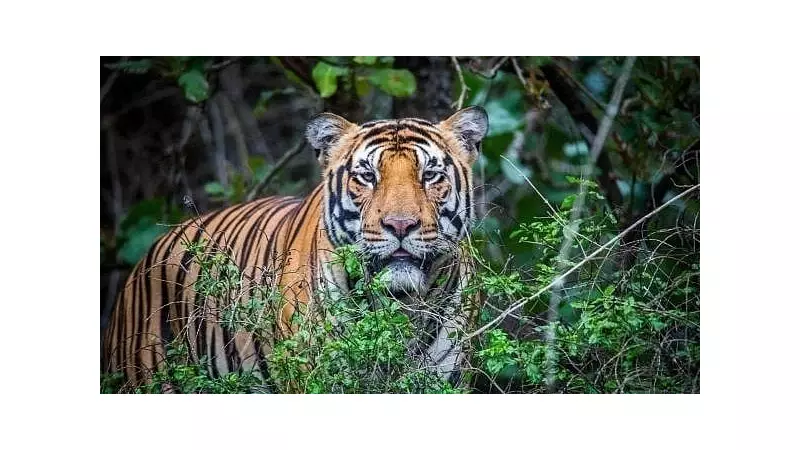
In a landmark moment for wildlife conservation, the state of Gujarat has officially roared back onto India's tiger map after a gap of more than three decades. The National Tiger Conservation Authority (NTCA) has formally declared Gujarat a 'tiger-present' state, a significant ecological milestone announced on 26 December 2025.
A Triumphant Return After Decades
This declaration marks the end of a long wait for Gujarat, which had not been formally recognized for having a resident tiger population for over 30 years. The confirmation by the apex national body, the NTCA, validates the presence of the majestic big cat within the state's boundaries. The news was celebrated by state ministers, with one highlighting the unique achievement this brings.
With the tiger's official return, Gujarat now completes a remarkable trifecta of big cat habitation. As one minister pointed out, Gujarat has become the exclusive abode of three major big cat species: the Asiatic lion, the leopard, and now the tiger. This places Gujarat in a unique position in India and the world, hosting such a diverse array of large predators within a single state.

What Does 'Tiger-Present' Status Mean?
The designation of 'tiger-present' by the NTCA is a formal administrative and conservation classification. It acknowledges the confirmed, sustained presence of tigers in the state's landscape. This status is crucial as it often leads to increased focus, management protocols, and potentially conservation resources directed towards protecting the tiger population and its habitat.
The return of the tiger to Gujarat's official wildlife portfolio is a testament to the state's broader ecological health and conservation efforts, which have famously brought the Asiatic lion back from the brink. It underscores the potential for coexistence and recovery of endangered species when targeted efforts are made.
Implications for Conservation and Ecology
This development has several important implications. Firstly, it expands the known range of tigers in India, contributing to the national goal of increasing tiger numbers and habitats. Secondly, it highlights the success of protective measures that may have allowed tigers to naturally disperse or re-establish themselves in the region.
Furthermore, managing a landscape that is home to lions, leopards, and tigers will present a unique and complex challenge for wildlife authorities. It will require sophisticated strategies to mitigate human-wildlife conflict, manage prey bases, and ensure the genetic health of all three carnivore populations. The eyes of the conservation world will now be on Gujarat to see how it balances this extraordinary ecological wealth.
The announcement made on 26 December 2025, serves as a powerful year-end note for environmentalists. It is a story of resilience, not just of the tigers but of the ecosystem itself. Gujarat's roar is now unmistakably a trio, echoing with the promise of a wilder, more diverse future.