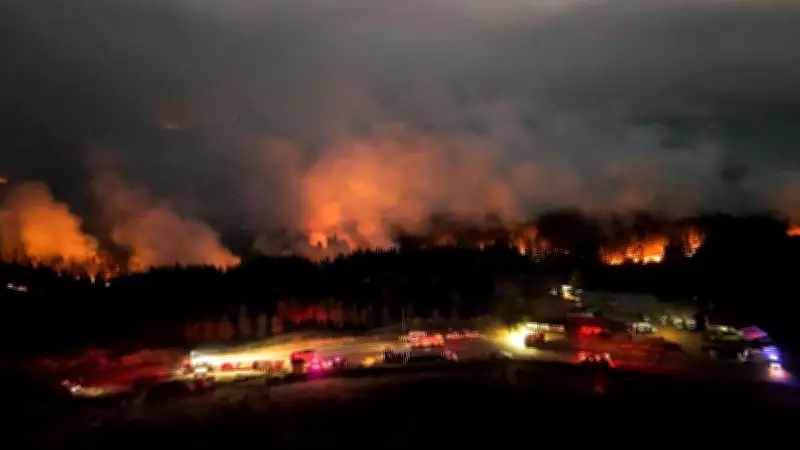
Scientists have reported that global fire outbreaks have surged to a record high, with unprecedented heat extremes looming in many parts of the world. This alarming trend is attributed to rising global temperatures and prolonged drought conditions, which have created ideal environments for wildfires to ignite and spread rapidly.
Unprecedented Heat Drives Fire Activity
The past year has seen some of the most intense fire seasons on record, from the Amazon rainforest to the Arctic Circle. Experts warn that as climate change continues to intensify, such extreme fire events will become more frequent and severe. The record-breaking heatwaves have not only increased the number of fires but also their intensity and duration, making them harder to control.
Global Impact and Implications
The consequences of these fires are far-reaching, affecting air quality, human health, biodiversity, and global carbon cycles. The smoke from large wildfires can travel thousands of miles, impacting communities far from the source. Additionally, the release of vast amounts of carbon dioxide from burning forests exacerbates climate change, creating a dangerous feedback loop.

- Amazon Rainforest: Fires in the Amazon have reached their highest levels in over a decade, threatening one of the world's most critical ecosystems.
- Siberia and the Arctic: Unprecedented fires in Siberia have released record amounts of carbon, accelerating permafrost thaw.
- Australia and North America: Both continents experienced devastating fire seasons, with massive economic and ecological losses.
Scientific Warnings and Urgent Action Needed
Scientists emphasize that immediate and drastic reductions in greenhouse gas emissions are necessary to mitigate the worst impacts of climate change. Without such action, the world can expect more extreme heat, more fires, and greater challenges in managing natural disasters. The current trajectory is a stark reminder of the urgent need for global cooperation and policy changes.
The report calls for enhanced fire management strategies, including better early warning systems, increased funding for firefighting resources, and community preparedness programs. It also highlights the importance of restoring ecosystems and reducing deforestation to prevent future outbreaks.
As the planet continues to warm, the record for global fire outbreaks may be broken again in the coming years, underscoring the critical need for sustained efforts to combat climate change and protect vulnerable regions.