

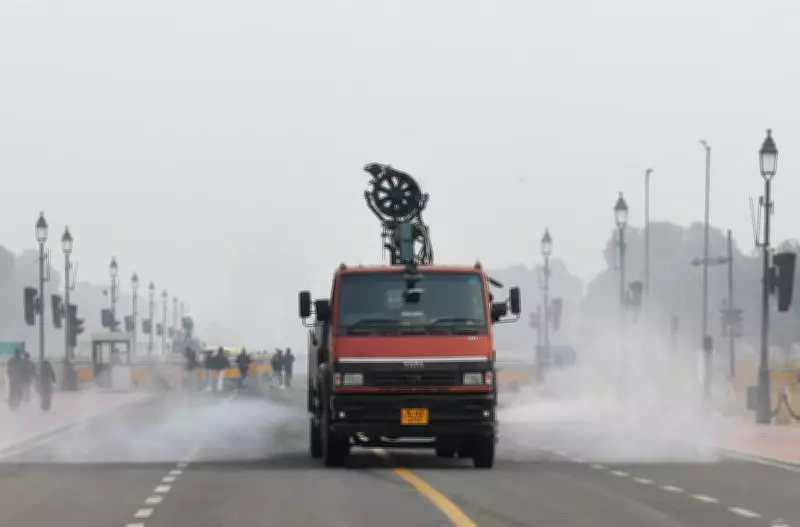
Ghaziabad Emerges as India's Most Polluted City During Winter Season
A comprehensive environmental report has revealed that Ghaziabad, located in Uttar Pradesh, recorded the highest levels of air pollution among Indian cities during the winter months. This alarming finding underscores a persistent and severe air quality crisis in the region, raising significant public health concerns.
Key Findings from the Pollution Report
The report, which analyzed air quality data from various urban centers across the country, pinpointed Ghaziabad as the topmost polluted city. The analysis focused on the winter period, typically from November to February, when pollution levels tend to spike due to factors like:
- Increased vehicular emissions
- Industrial activities
- Agricultural residue burning in neighboring areas
- Adverse meteorological conditions that trap pollutants
Ghaziabad's air quality index (AQI) consistently reached hazardous levels, far exceeding safe limits set by environmental authorities. This has positioned the city as a critical hotspot for air pollution, necessitating immediate intervention.

Implications for Public Health and Environment
The severe pollution in Ghaziabad poses serious risks to residents' health, particularly affecting vulnerable groups such as children, the elderly, and individuals with pre-existing respiratory conditions. Prolonged exposure to polluted air can lead to:
- Respiratory diseases like asthma and bronchitis
- Cardiovascular problems
- Increased risk of lung cancer
- General deterioration in overall well-being
Furthermore, the environmental impact includes damage to ecosystems, reduced visibility, and contribution to climate change. The report emphasizes that without robust measures, the situation could worsen, affecting not only Ghaziabad but also surrounding regions.
Urgent Calls for Action and Policy Measures
In response to these findings, environmental experts and activists are urging authorities to implement stringent policies to curb pollution. Recommended actions include:
- Enhancing public transportation to reduce vehicular emissions
- Strict enforcement of industrial pollution controls
- Promoting cleaner energy sources
- Increasing green cover through afforestation programs
The report serves as a wake-up call for policymakers, highlighting the need for coordinated efforts at local, state, and national levels to address air quality issues. It also calls for greater public awareness and community participation in pollution reduction initiatives.
Conclusion: Ghaziabad's designation as the most polluted city during winter is a stark reminder of India's ongoing battle with air pollution. As the report circulates, it is hoped that it will catalyze meaningful action to safeguard public health and the environment for future generations.






